
This video is not approved for CME yet. Please check in a few days for the approval result. Thank you for your patience.
Type IV hypersensitivity reactions are defined as delayed-type immune responses primarily mediated by T cells, including CD4+ T helper 1 (Th1) cells and CD8+ cytotoxic T lymphocytes. Unlike immediate hypersensitivity reactions, which involve antibodies and manifest quickly, Type IV reactions can take hours to days to develop, often resulting in significant inflammation and tissue damage at the site of antigen exposure. This type of hypersensitivity is frequently observed in conditions such as contact dermatitis, where the immune system reacts to allergens or irritants.
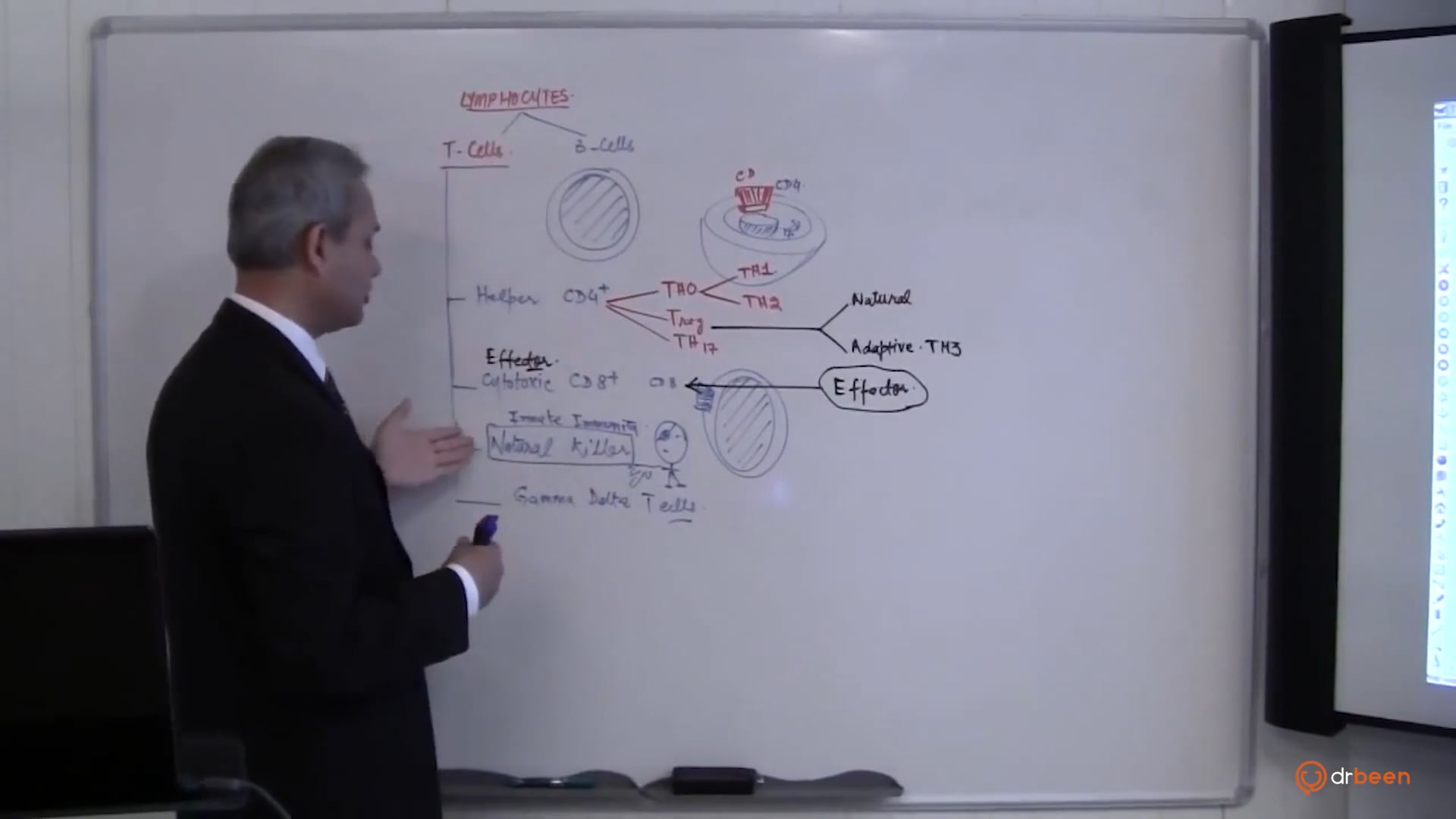
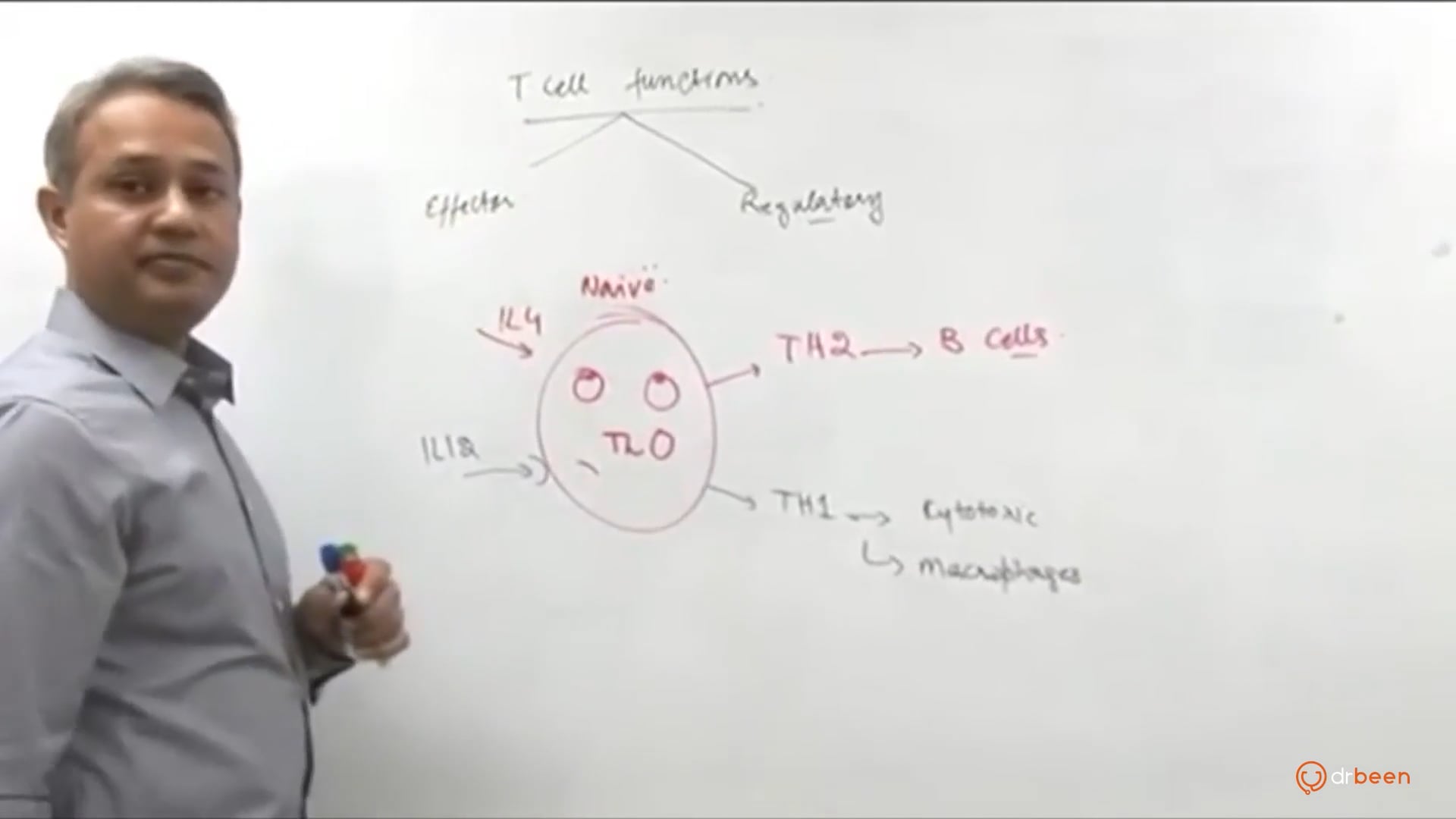
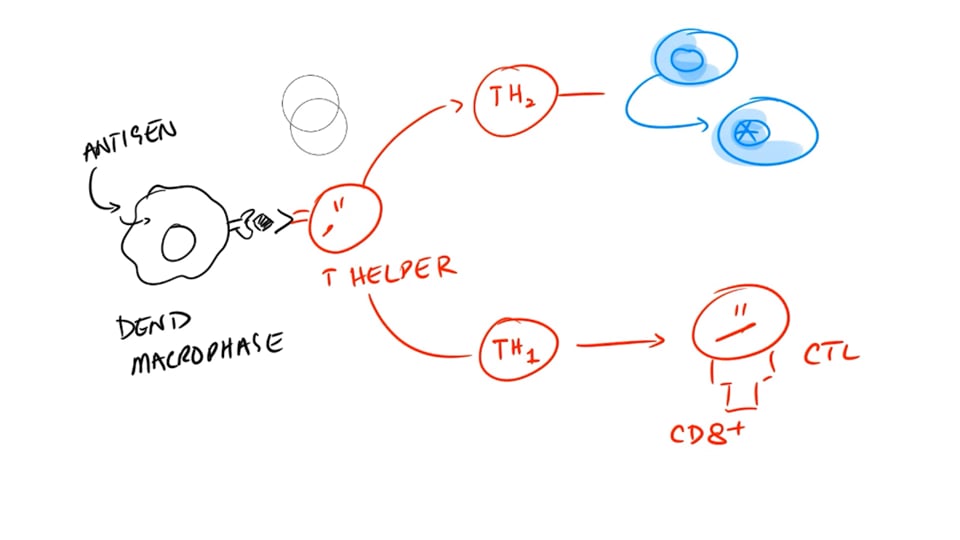
The subtypes of Type IV hypersensitivity involve distinct cellular mechanisms. The first subtype is characterized by the activation of CD4+ T helper 1 cells, which orchestrate the delayed-type hypersensitivity response, commonly assessed through skin tests for tuberculosis. The second subtype is mediated by CD8+ cytotoxic T cells, which directly kill infected or abnormal cells, playing a crucial role in responses to viral infections. Each subtype contributes uniquely to the overall immune response, illustrating the complexity of Type IV hypersensitivity.
Contact dermatitis serves as a notable example of Type IV hypersensitivity, resulting from exposure to allergens or irritants on the skin. Symptoms typically include redness, swelling, itching, and blister formation, which usually appear 24 to 48 hours after exposure due to the T cell-mediated inflammatory response.
Clinical tools such as the PPD (purified protein derivative) and lepramin tests are essential for evaluating cell-mediated immunity. These tests involve the intradermal introduction of specific antigens, with a positive reaction—indicated by localized swelling and redness—signifying prior sensitization to the antigens. This helps in diagnosing conditions like tuberculosis or leprosy.
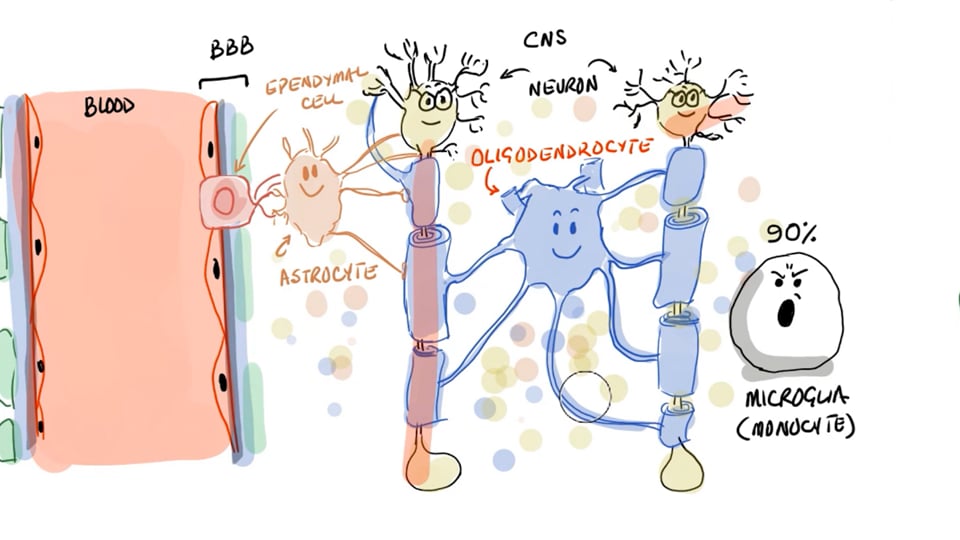
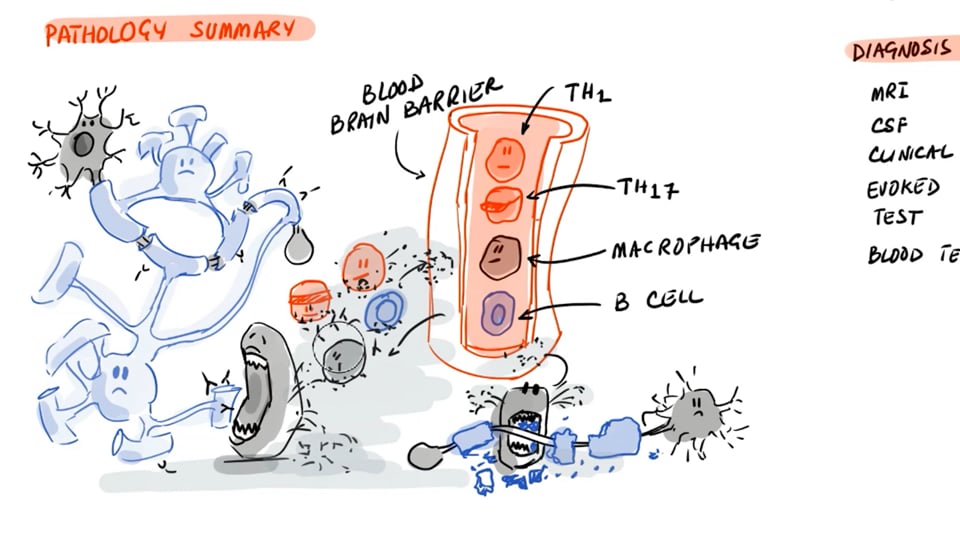
Various diseases are associated with Type IV hypersensitivity reactions, including contact dermatitis, graft-versus-host disease, multiple sclerosis, and Type 1 diabetes. These conditions underscore the significant role of delayed-type hypersensitivity in immune-mediated pathology, highlighting its impact on health and disease.
1. Characteristics of Type IV hypersensitivity reaction.
2. Subtypes of Type IV hypersensitivity reactions and cells involved in each subtype.
3. The pathology of contact dermatitis.
4. The mechanism of PPD and lepramin testing.
5. Diseases associated with Type IV hypersensitivity reactions.





















Write A New Comment
0 Comments