This video is not approved for CME yet. Please check in a few days for the approval result. Thank you for your patience.
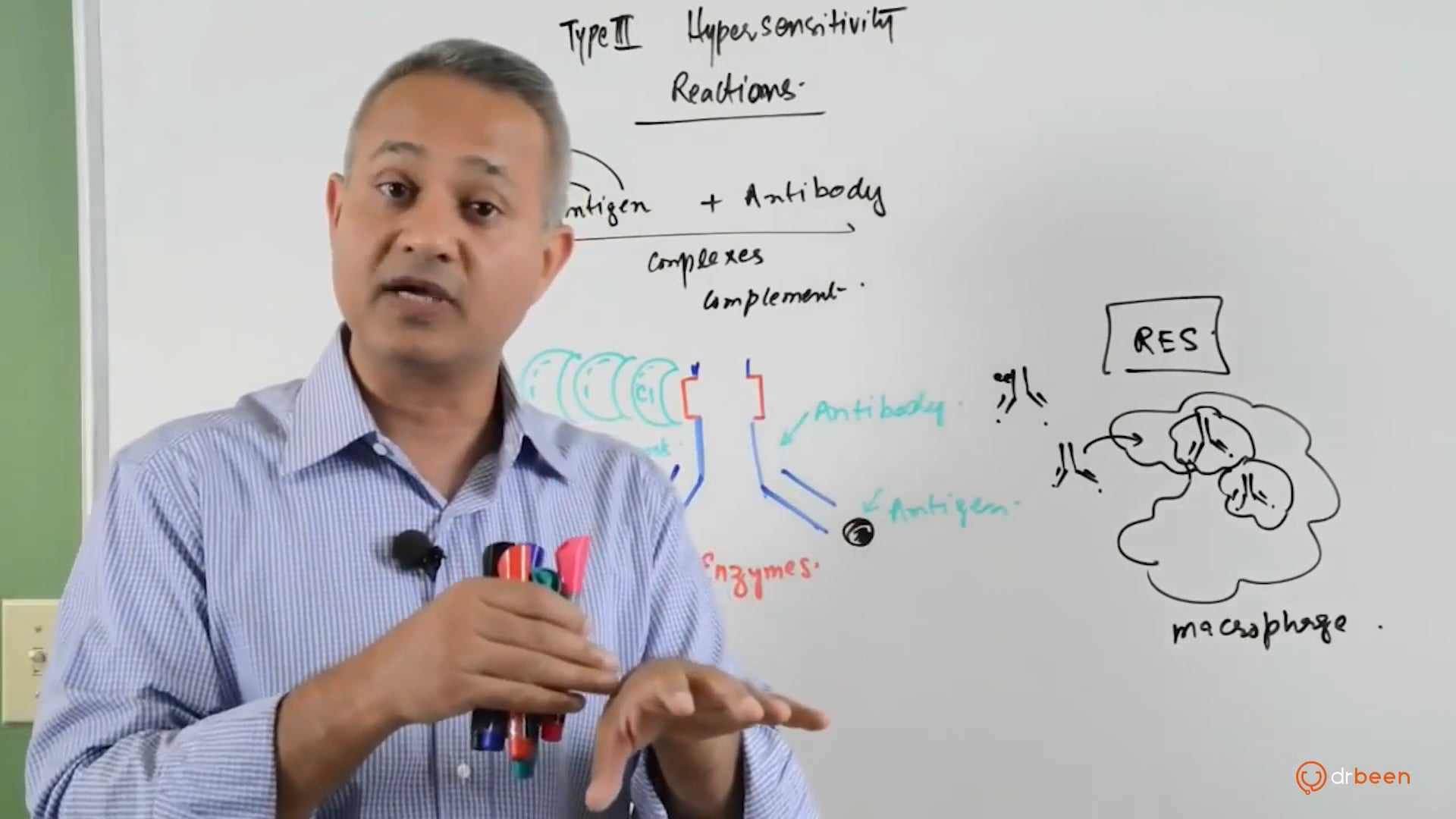
Type 3 hypersensitivity reactions involve the formation of immune complexes composed of antibodies bound to soluble antigens, which can accumulate in tissues and trigger inflammation and tissue damage. The mechanism begins with the deposition of these immune complexes in tissues, activating the complement system, particularly the classical pathway. This process generates anaphylatoxins like C5a, which attract neutrophils and macrophages to the site, exacerbating inflammation. Anomalies associated with this hypersensitivity include conditions like vasculitis and glomerulonephritis. Common subtypes include the localized Arthus reaction and systemic serum sickness. Factors like genetic predispositions or chronic infections may lead some individuals to have exaggerated immune responses, contributing to conditions such as rheumatoid arthritis and systemic lupus erythematosus (SLE), where widespread immune complex deposition occurs.
In Type 3 hypersensitivity, immune complexes trigger significant inflammatory responses in affected tissues. The local necrosis seen in the Arthus reaction arises from the formation of these immune complexes, which activate complement pathways and lead to tissue damage. Hypocomplementemia can occur as complement components are consumed in the clearance of immune complexes. Various drugs, such as certain antibiotics and vaccines, may provoke these hypersensitivity reactions, highlighting the diverse triggers involved. Conditions associated with this hypersensitivity include rheumatoid arthritis, where immune complexes cause joint inflammation, and SLE, characterized by systemic organ damage due to widespread immune complex deposition. Additionally, polyarteritis nodosa and hypersensitivity lung diseases arise from immune complex-mediated pathology, showcasing the significant impact of Type 3 hypersensitivity across multiple organ systems.
- The components of Type 3 hypersensitivity reaction.
- The mechanism of type 3 reaction.
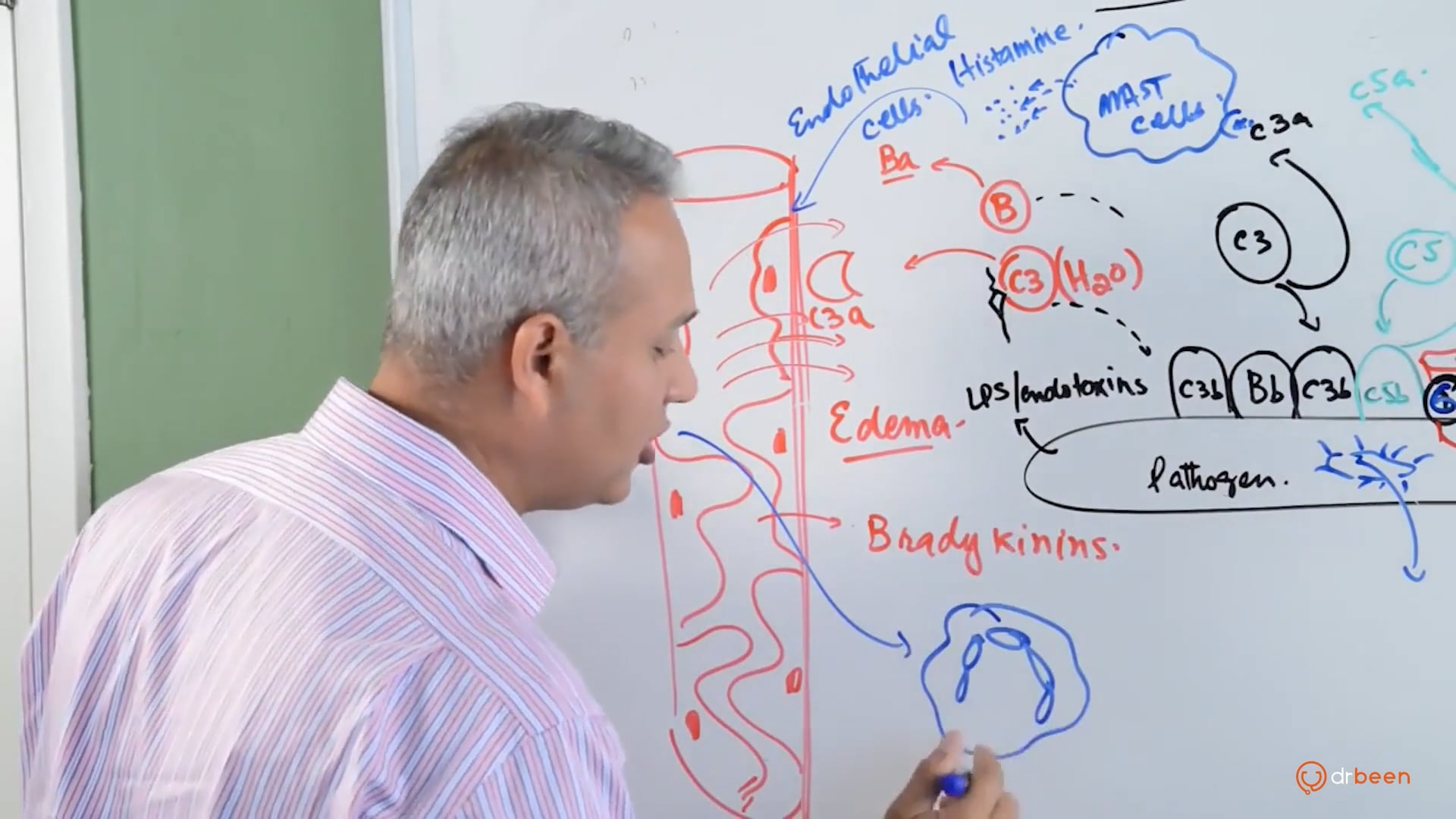
- The role of C5a in pathology of type 3 reaction.
- The basic mechanism of type 3 hypersensitivity reaction.
- The role of C5a in pathology of type 3 reaction.
- The reason for immune reactions to a normal immune response in some individuals.
- Two subtypes of type 3 hypersensitivity reaction.
- The subtypes of Type 3 hypersensitivity reaction.
- Differences between Arthus reaction and serum sickness.
- Anomalies associated with type 3 hypersensitivity reactions
- The explanation of hypocomplementemia in Type III hypersensitivity reaction.
- Drugs and toxins causing Type III hypersensitivity reaction.
- Different pathologies associated with Type III hypersensitivity reaction.
- The different systemic anomalies associated with Type III hypersensitivity reactions.
- The pathology of rheumatoid arthritis.
- The pathology of SLE.
- The pathology of systemic lupus erythematosus.
- A discussion about polyarteritis nodosa and hypersensitivity lung diseases.
- The mechanism of local necrosis in arthus reaction.




Write A New Comment
0 Comments