This video is not approved for CME yet. Please check in a few days for the approval result. Thank you for your patience.
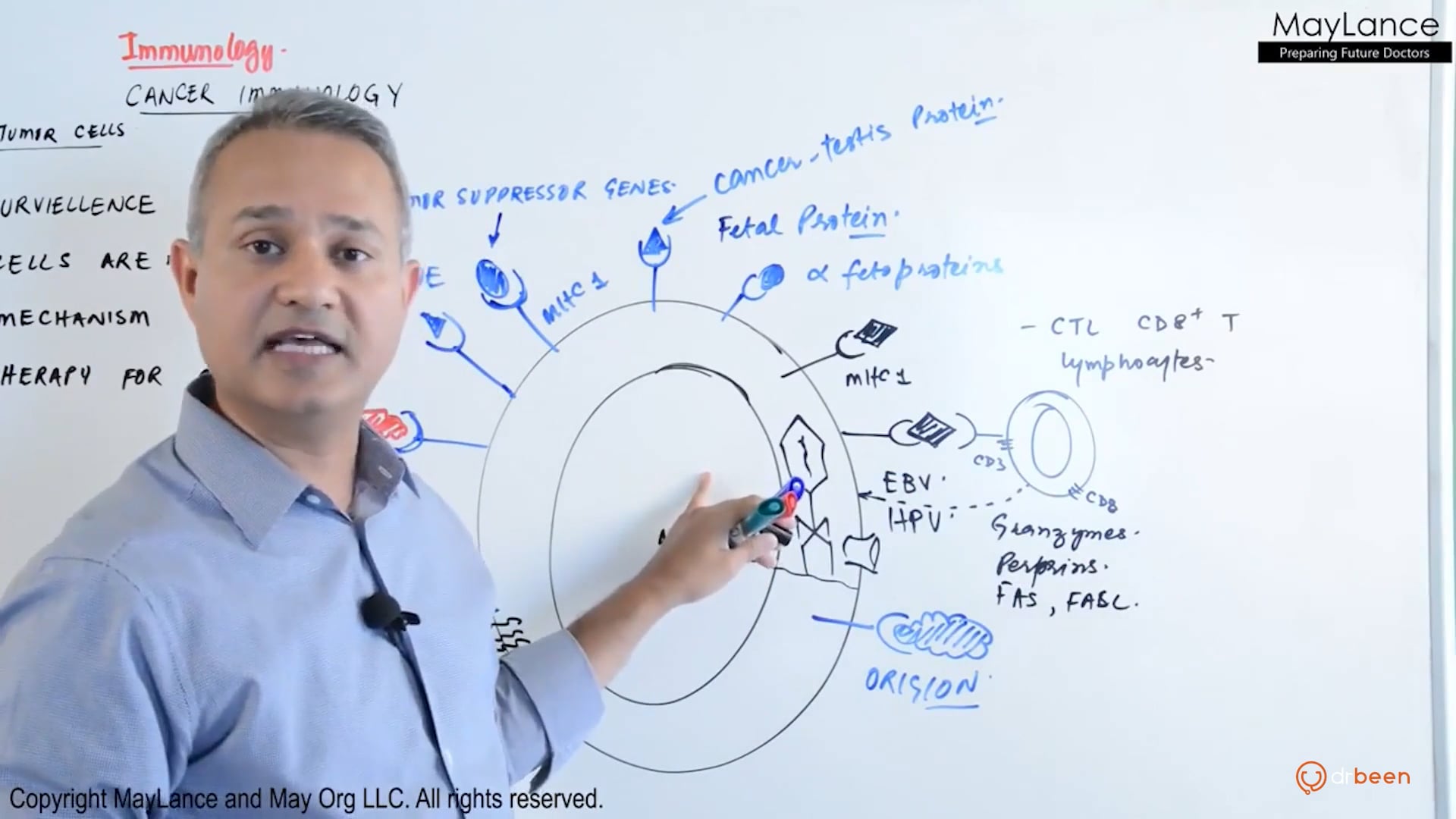
Tumor cells present a diverse array of antigens that can be recognized by the immune system, primarily categorized as tumor-specific antigens (TSAs) and tumor-associated antigens (TAAs). TSAs are unique to cancer cells, arising from mutations, while TAAs are normal proteins that are overexpressed in tumors. The recognition of these antigens by the immune system is crucial for the initiation of an effective anti-tumor response.
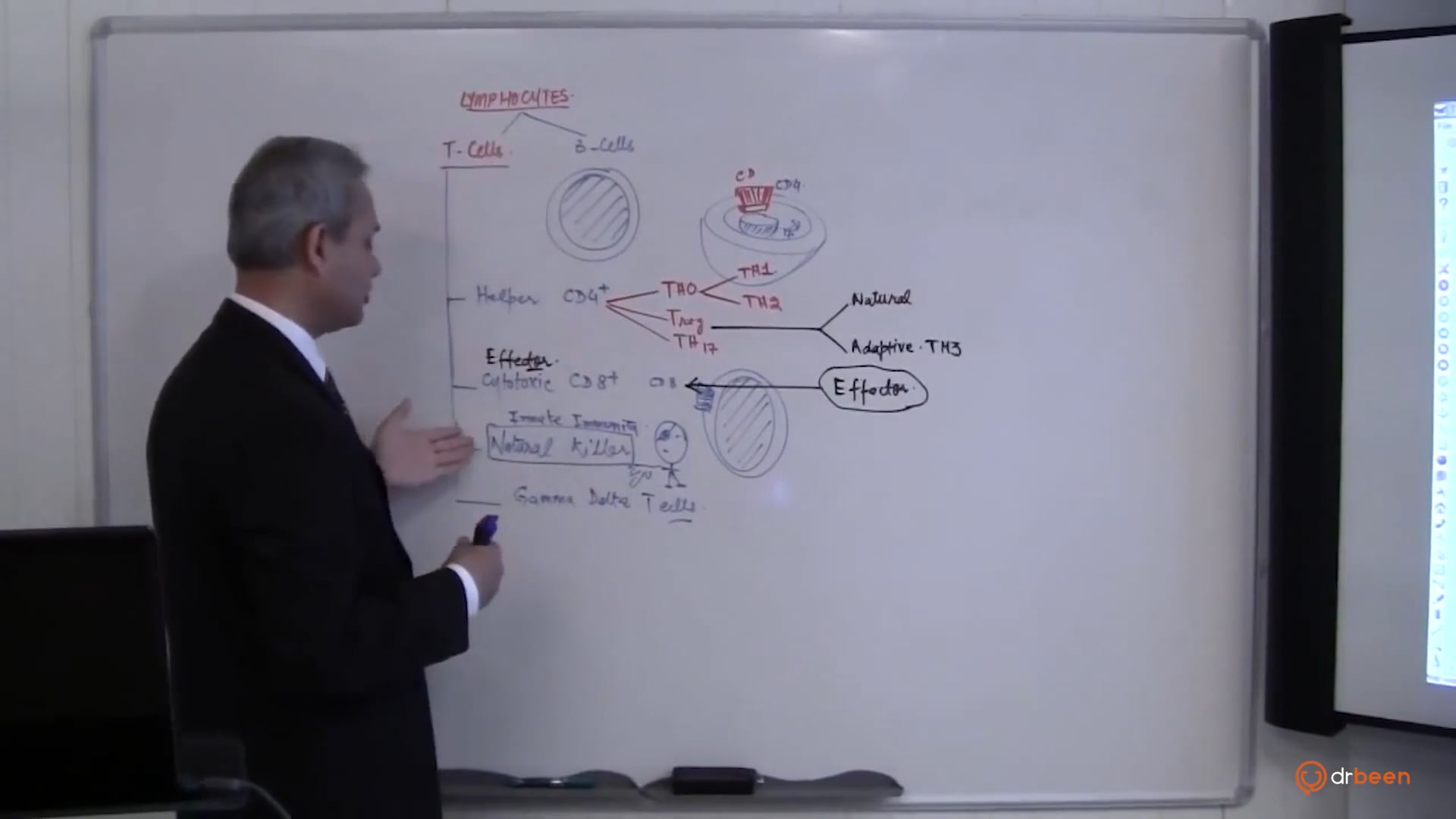
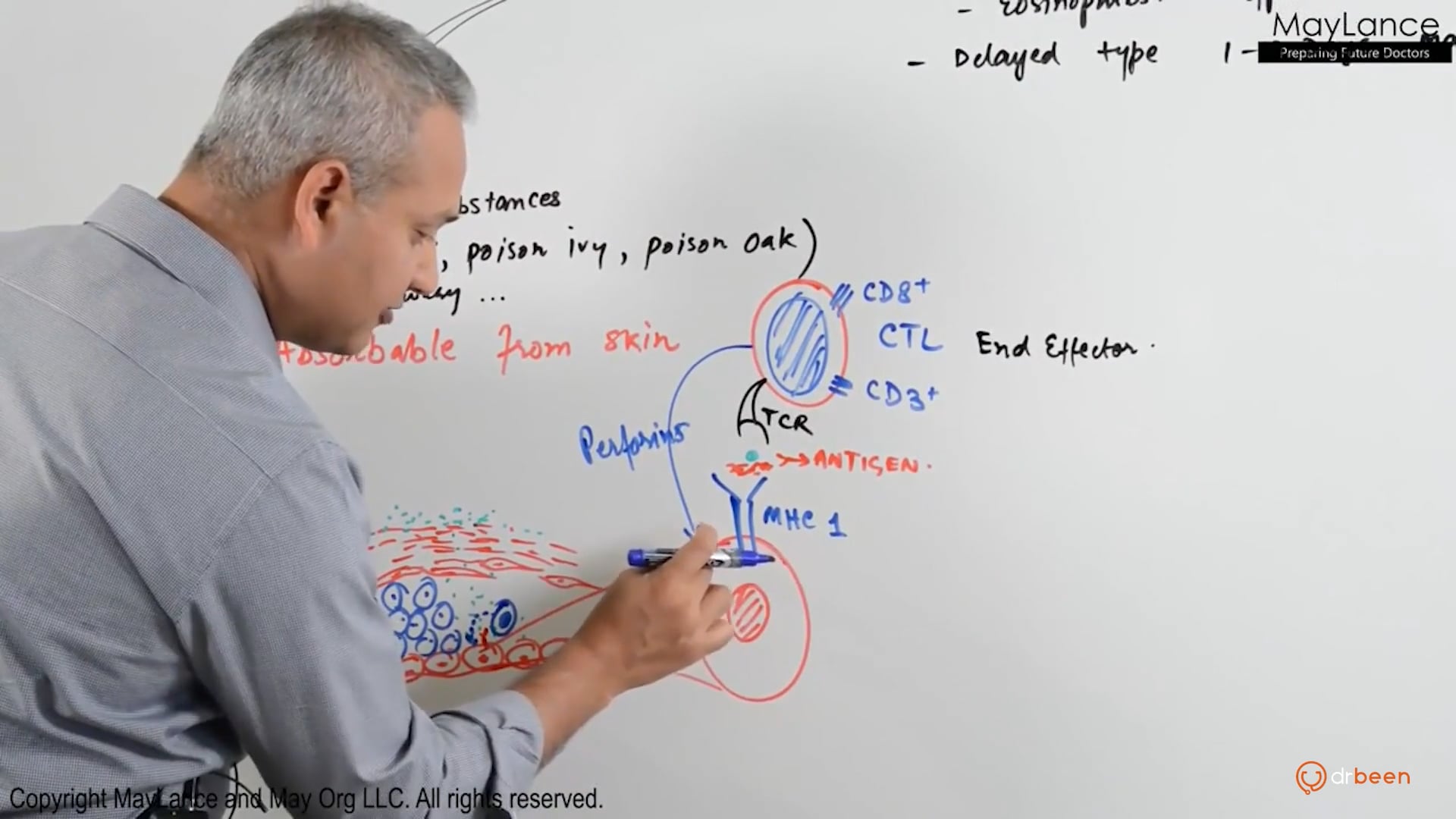
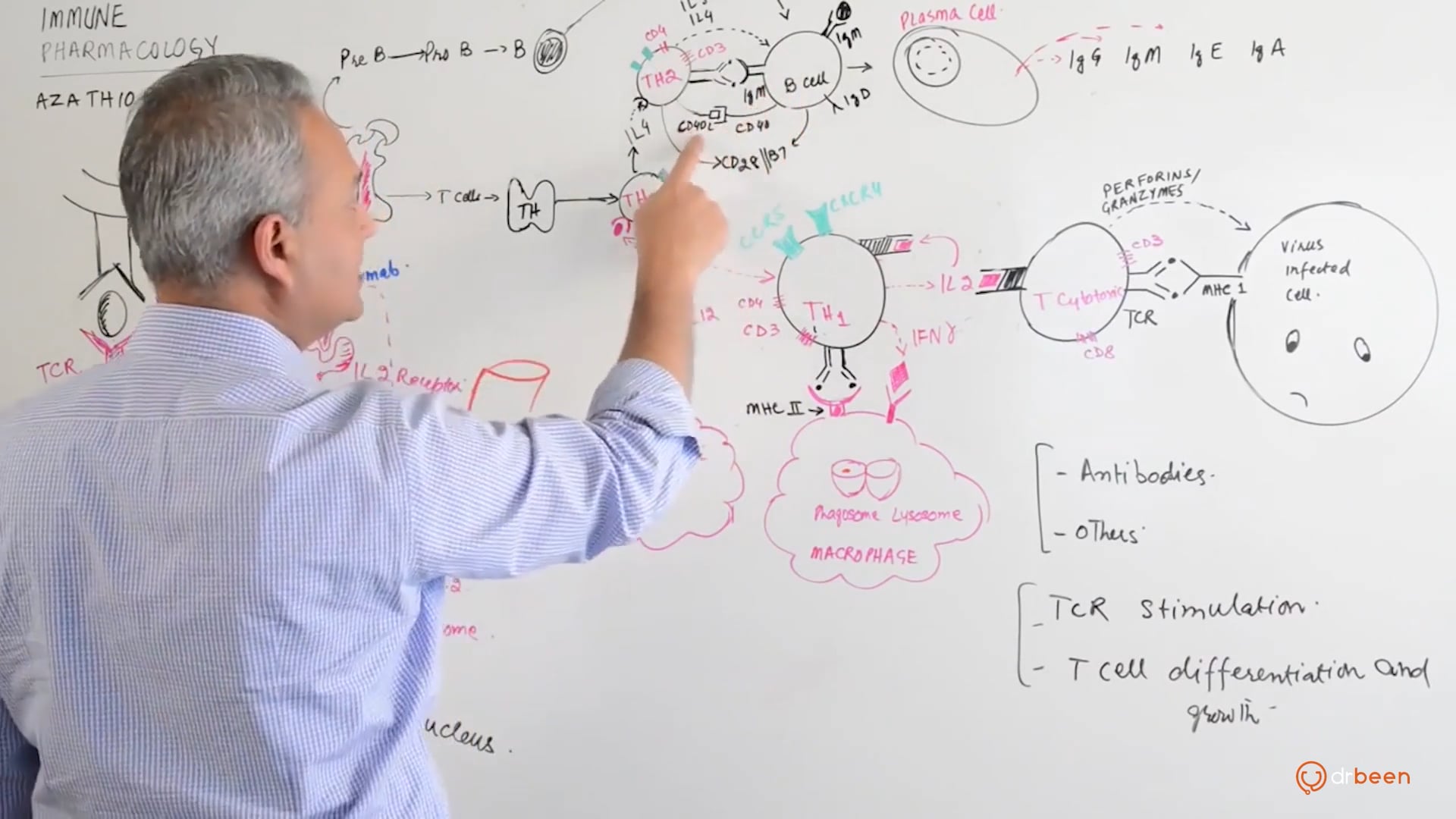
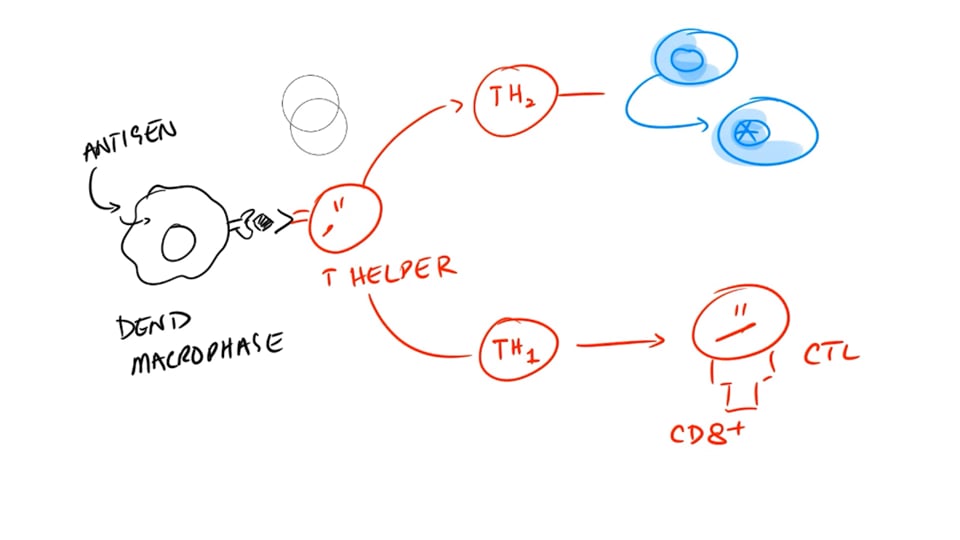
Mechanisms of immune surveillance against tumor cells involve a coordinated effort by various immune cells, including cytotoxic T lymphocytes (CTLs) and natural killer (NK) cells. These cells constantly patrol the body, identifying and eliminating aberrant cells through mechanisms such as the recognition of antigen-MHC complexes. The interaction between immune cells and tumor cells is mediated through a series of receptor-ligand engagements that activate immune responses, leading to the destruction of cancerous cells.
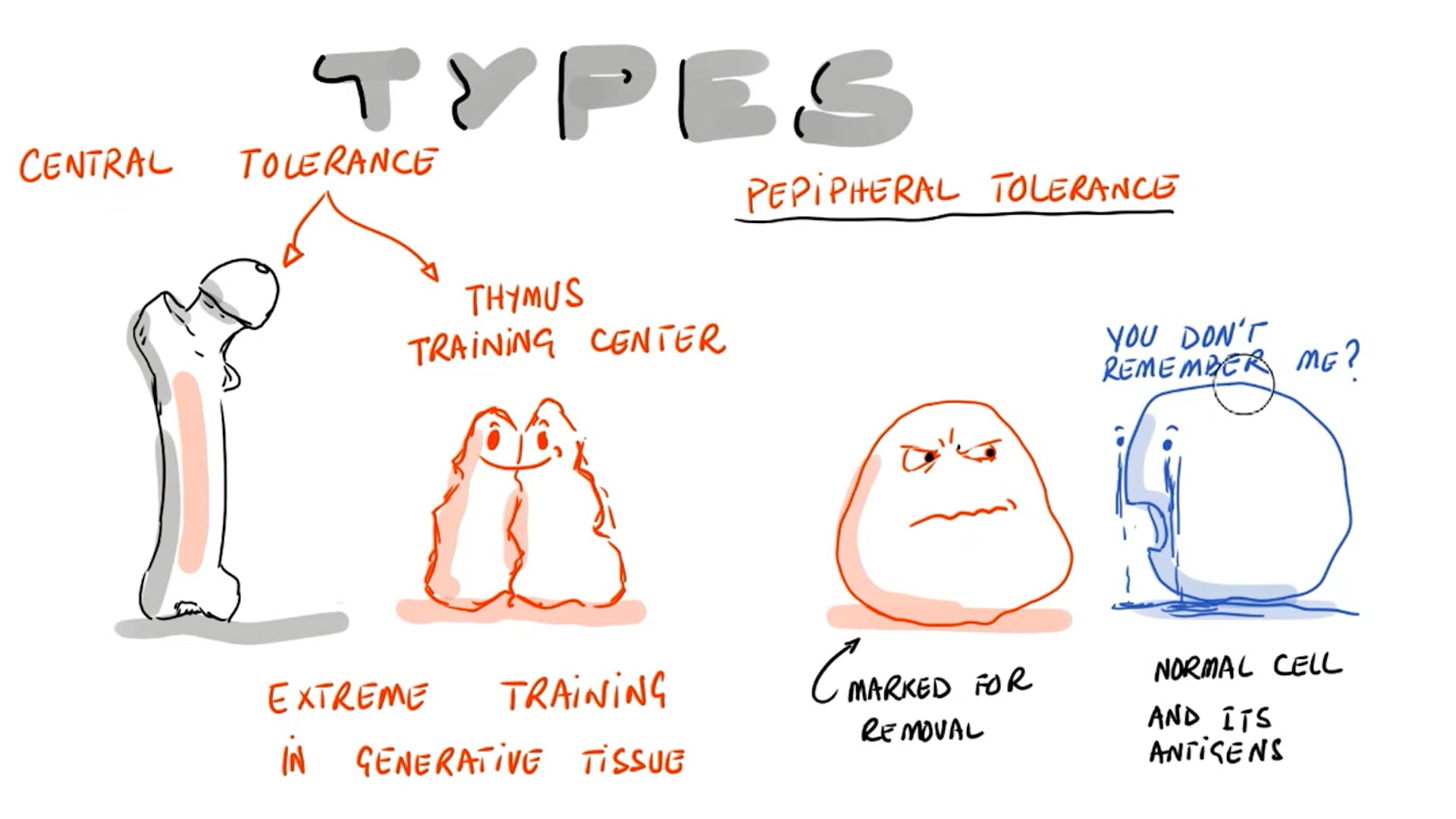
Despite these surveillance mechanisms, tumors have developed several escape strategies to evade the immune system. These include downregulating major histocompatibility complex (MHC) molecules, thus impairing the presentation of tumor antigens, and secreting immunosuppressive cytokines that inhibit immune cell activation. Additionally, some tumors can create an immunosuppressive tumor microenvironment that fosters tolerance to tumor antigens.
In response to these challenges, various immunotherapies have been developed to enhance the immune system's ability to combat tumors. Checkpoint inhibitors, such as anti-PD-1 and anti-CTLA-4 antibodies, block inhibitory signals that prevent T cell activation, thereby reinvigorating anti-tumor responses. CAR T-cell therapy involves engineering a patient's T cells to better recognize and attack tumor cells, while monoclonal antibodies can target specific antigens on tumor cells for destruction. These innovative approaches illustrate the growing field of cancer immunotherapy, aiming to harness the immune system's power in the fight against cancer.
1. Different antigens presented by tumor cells.
2. Mechanisms of immune surveillance against tumor cells.
3. Interactions of immune cells with tumor cells
4. Escape mechanisms of tumor to evade the immune system.
5. Different immunotherapies against tumors.









Write A New Comment
0 Comments