This video is not approved for CME yet. Please check in a few days for the approval result. Thank you for your patience.
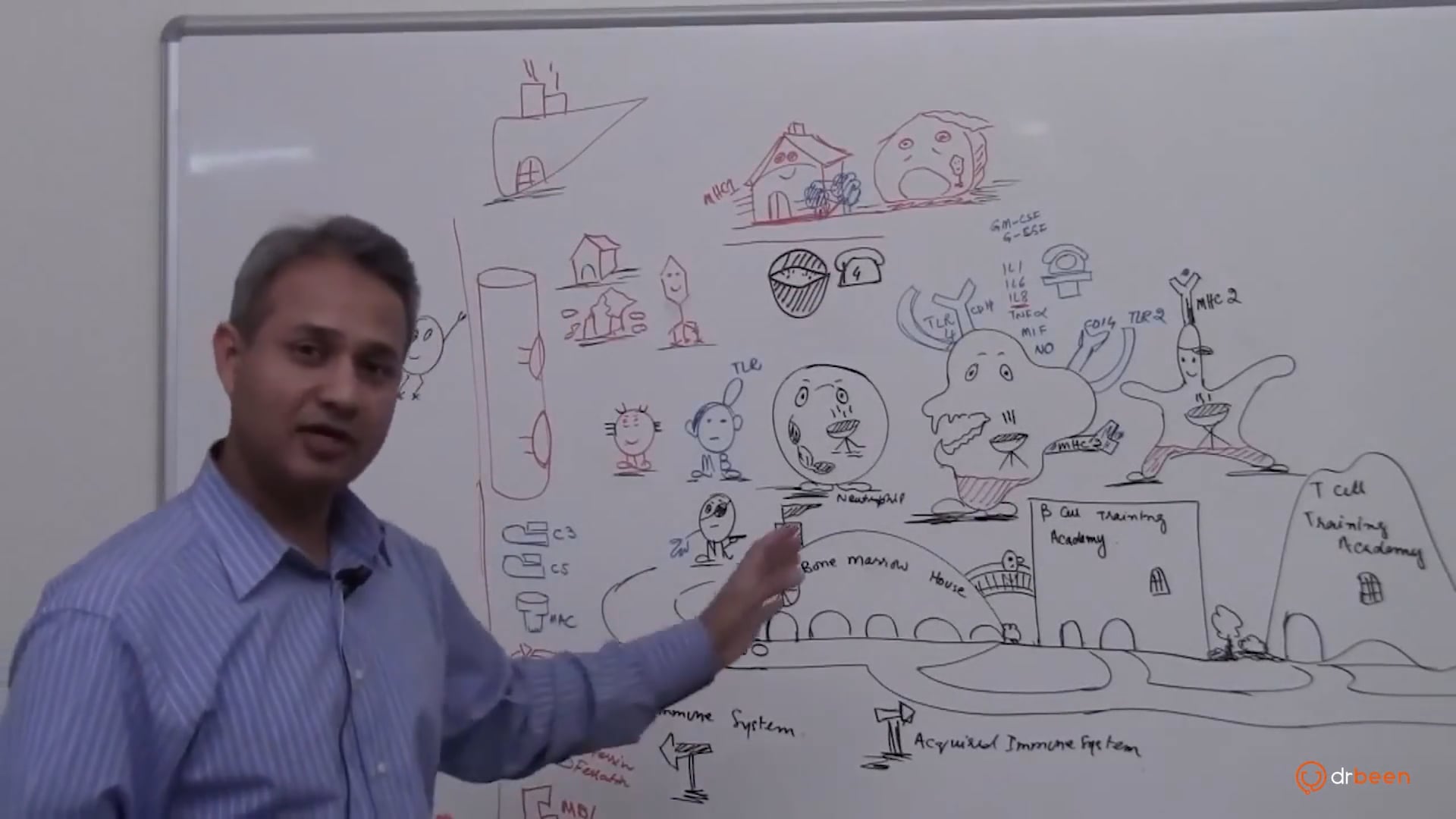
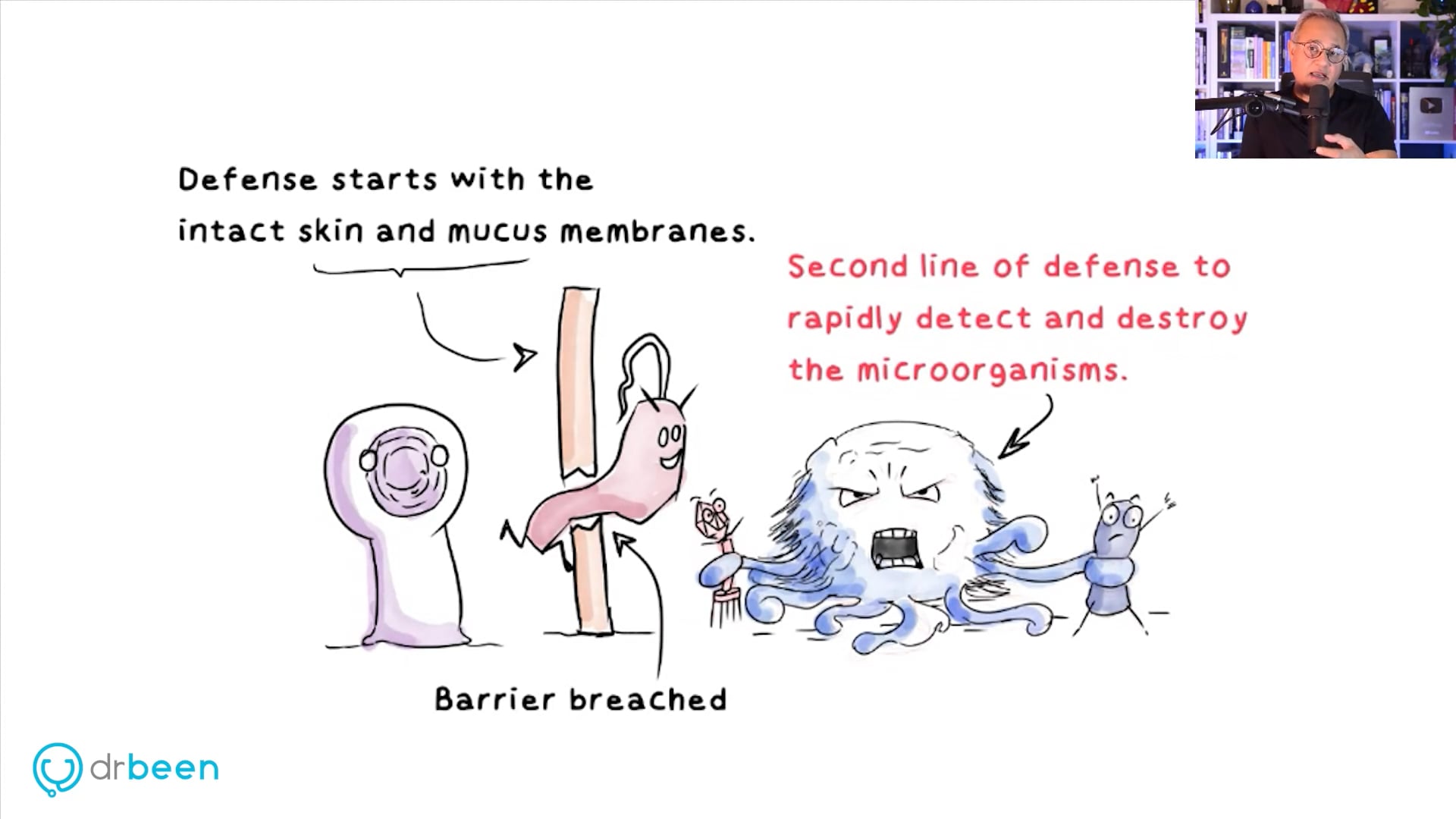
The immune system is a sophisticated network that protects the body from pathogens through various mechanisms. It begins with the first line of defense—physical barriers like skin and mucous membranes that prevent pathogens from entering. If these barriers are breached, the innate immune system steps in as the second line of defense, offering a quick but non-specific response.
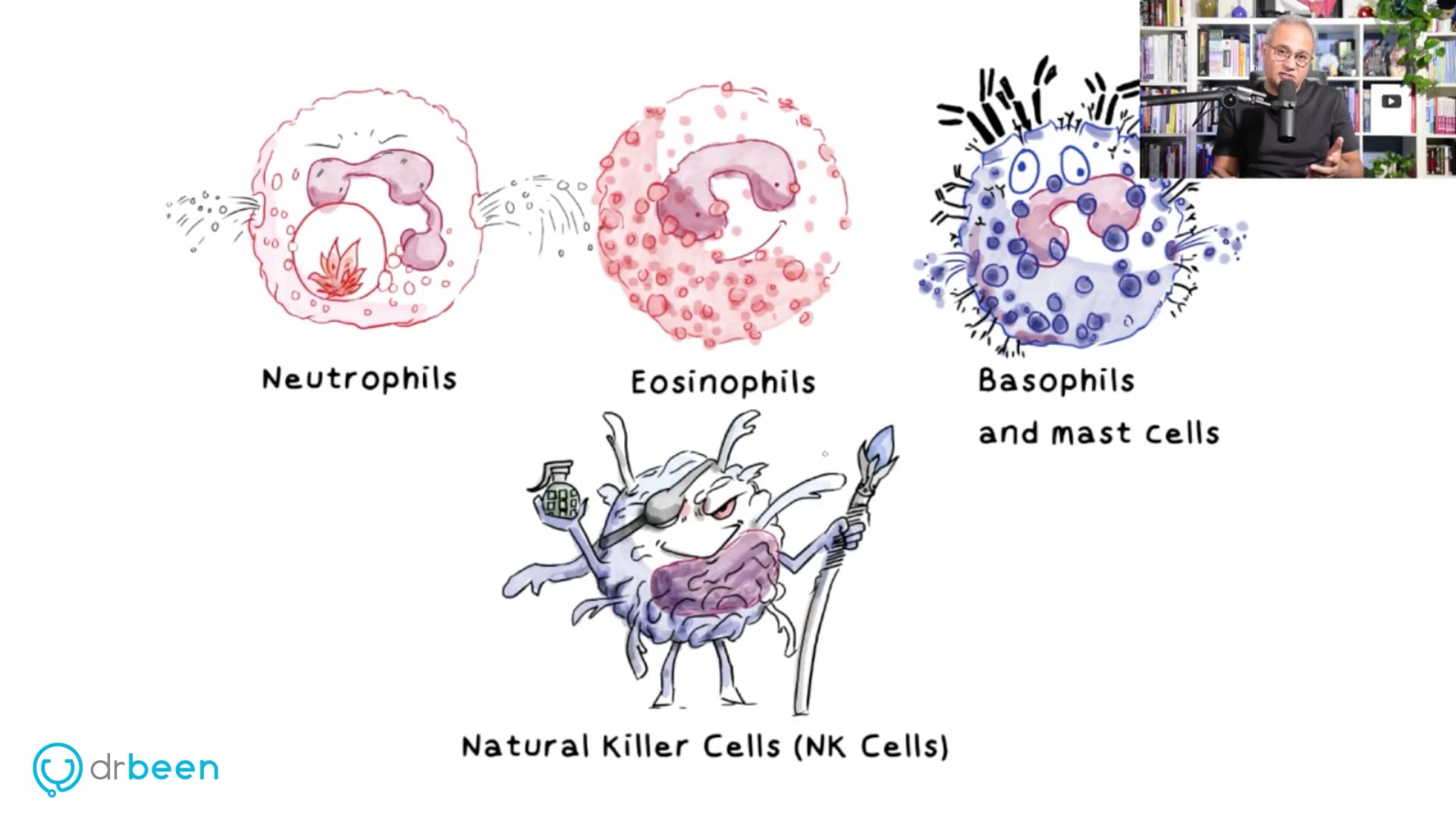
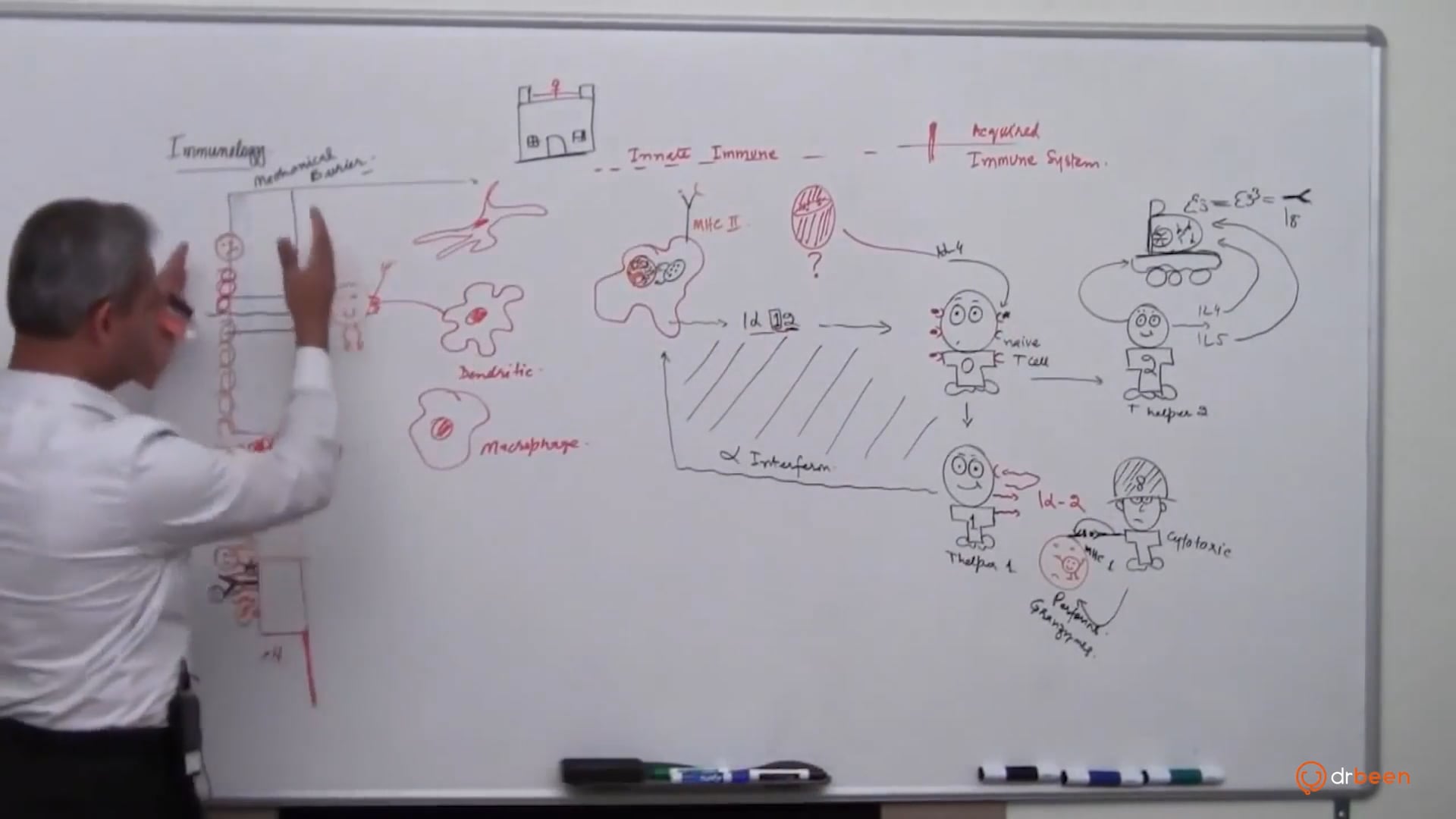
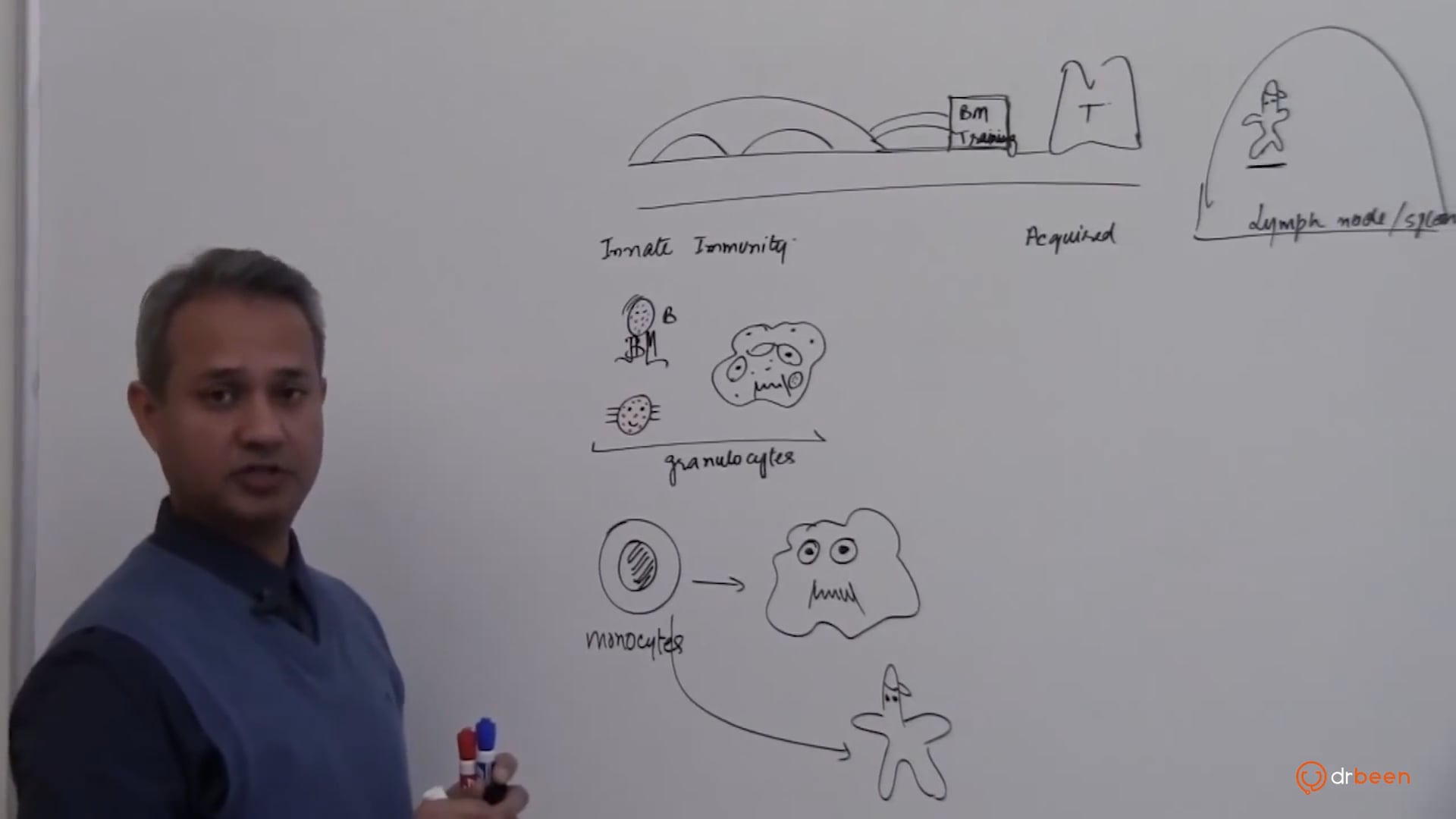
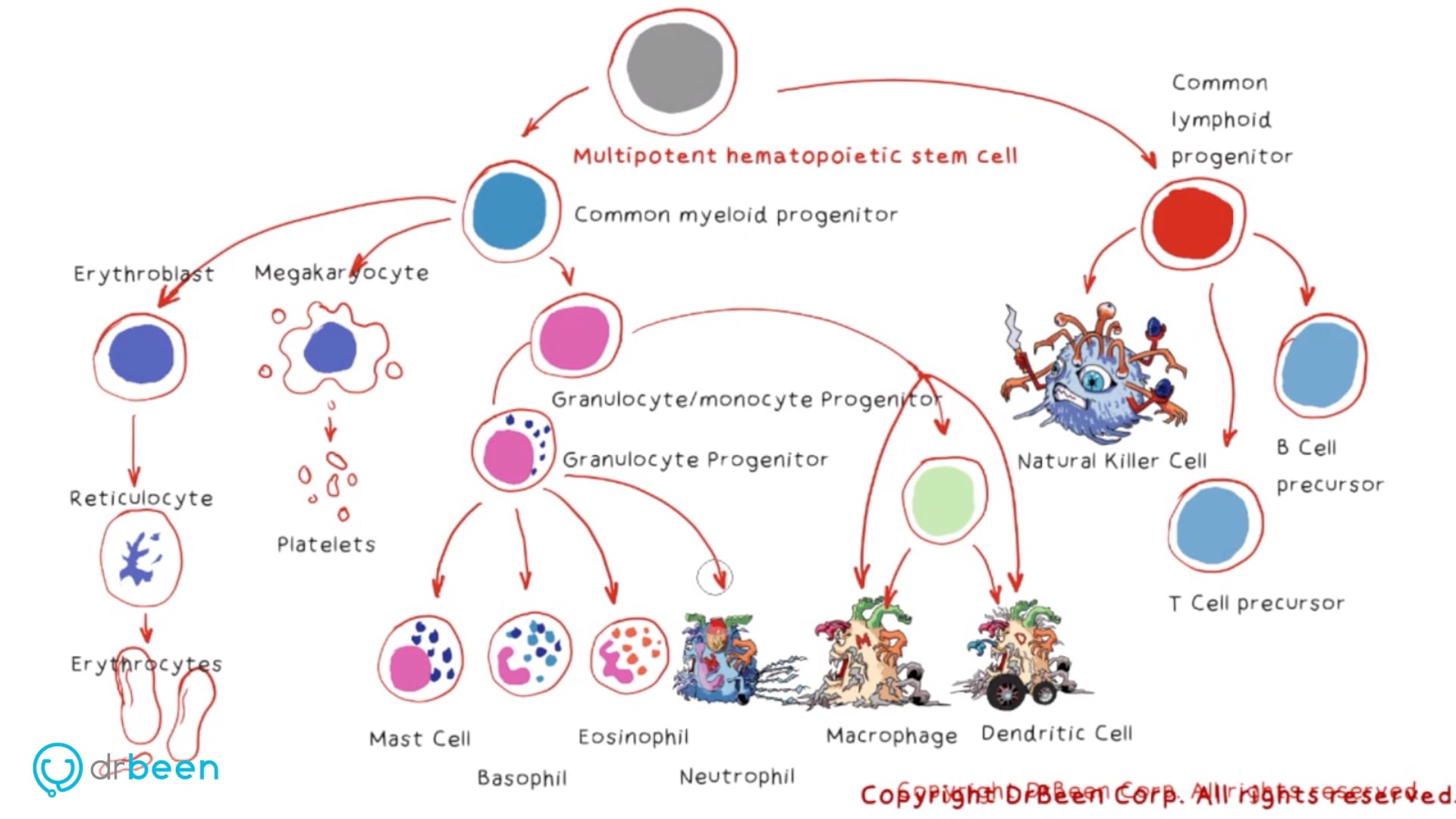
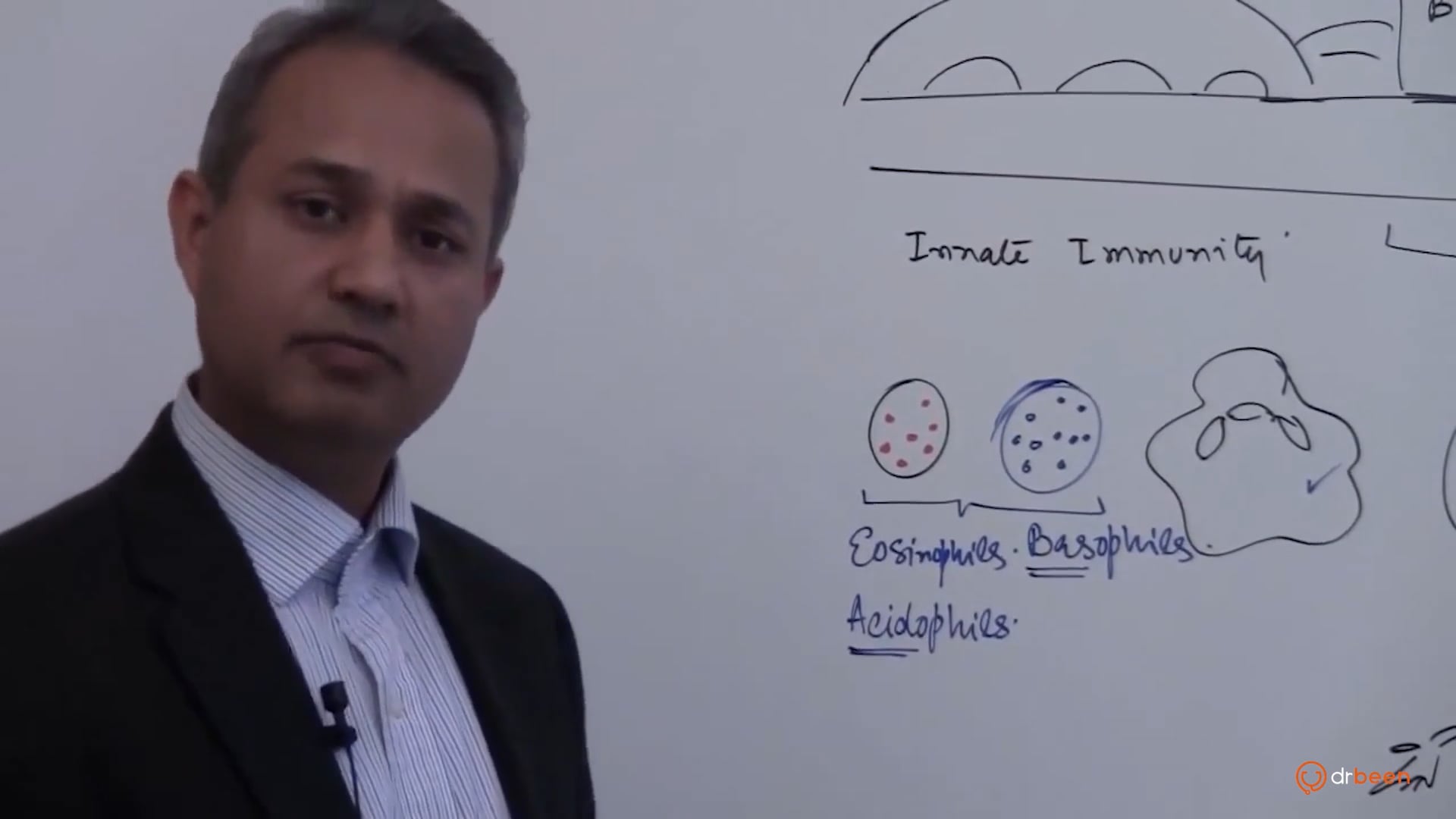
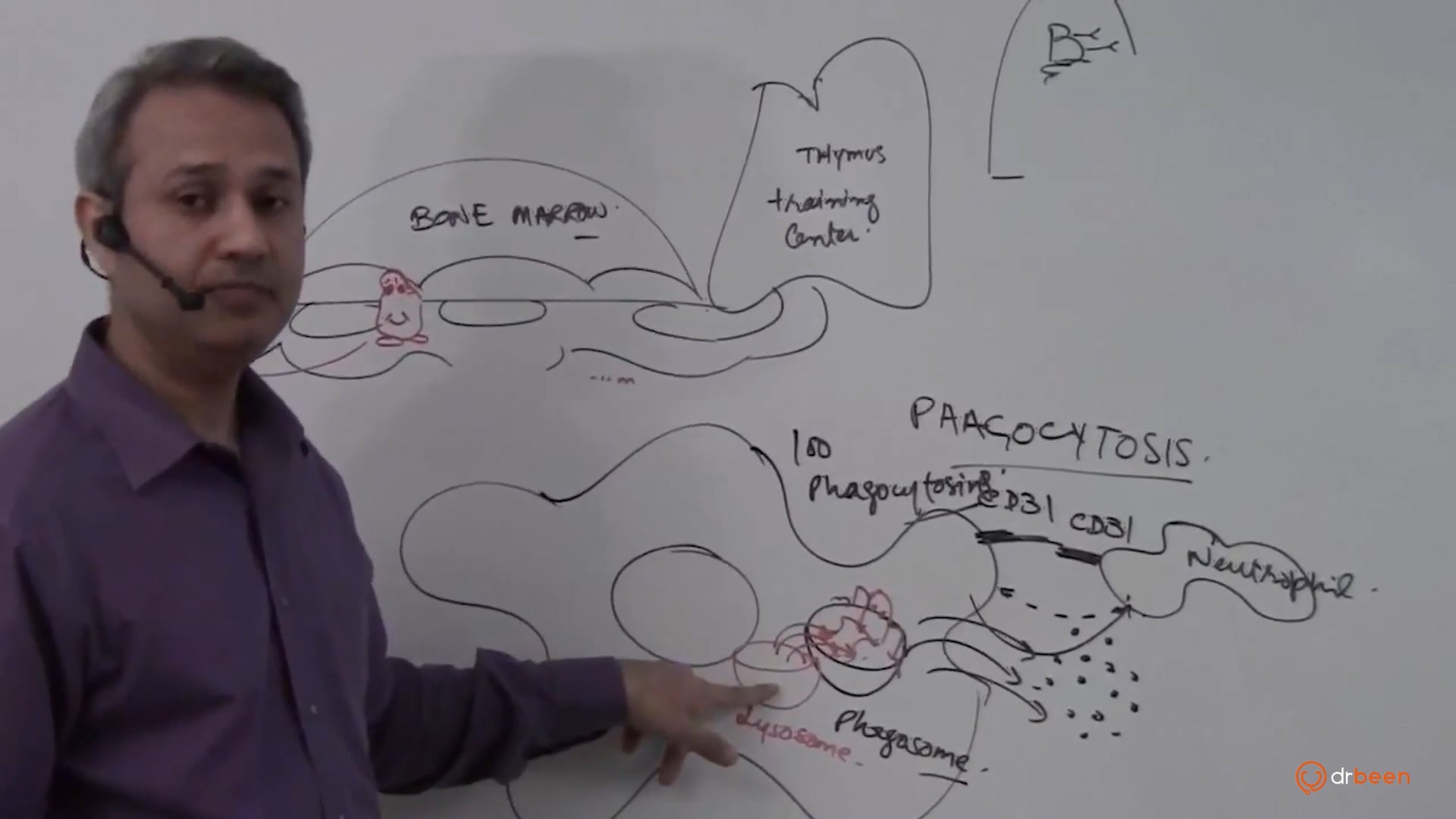
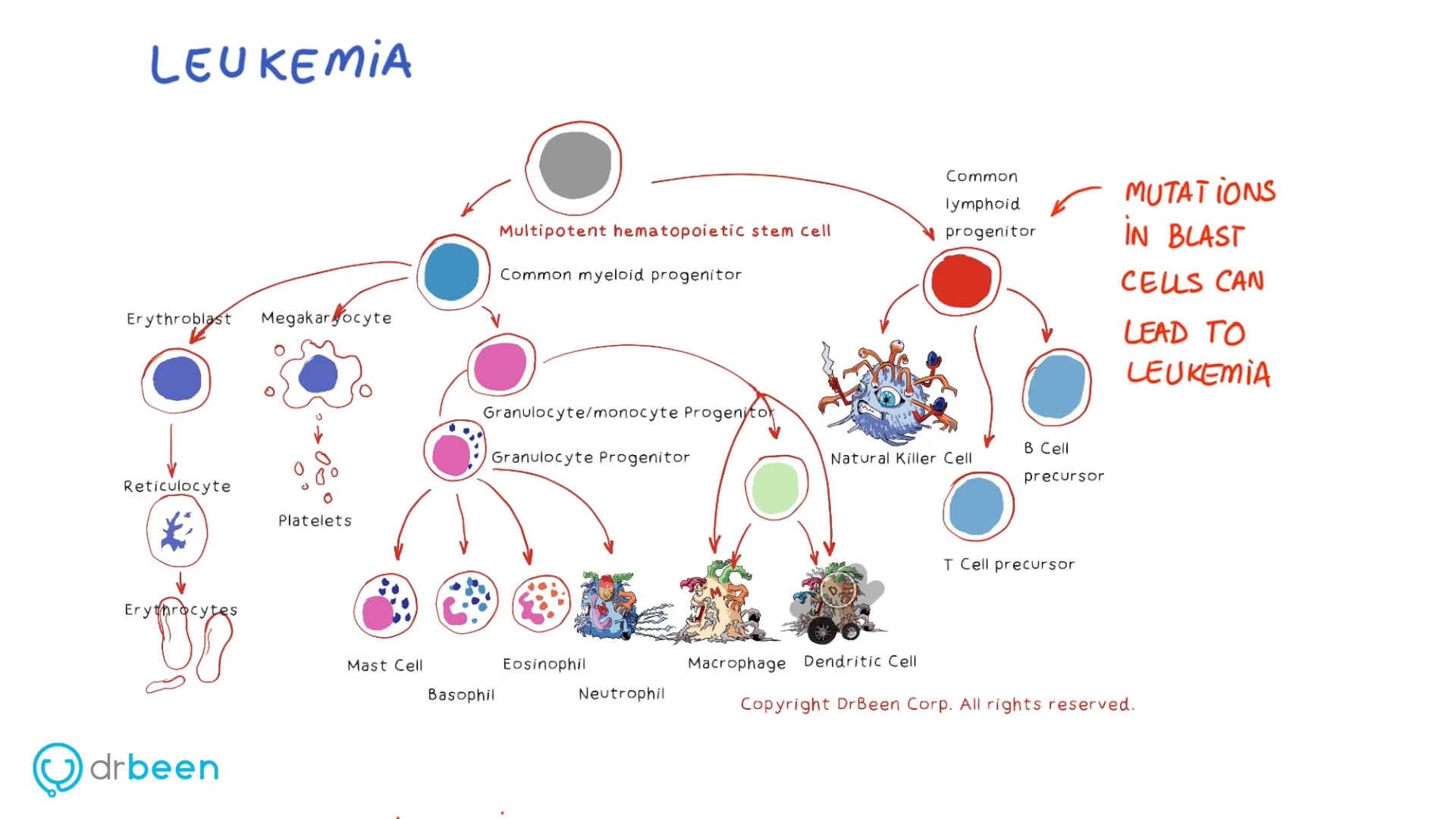
Key components of the innate response include neutrophils, which rapidly target and destroy pathogens, and macrophages, which phagocytose invaders and act as antigen-presenting cells (APCs) to trigger further immune responses. Eosinophils are involved in fighting parasites and managing allergic reactions. Dendritic cells capture and present antigens to T-cells, linking the innate response to the acquired immune system.
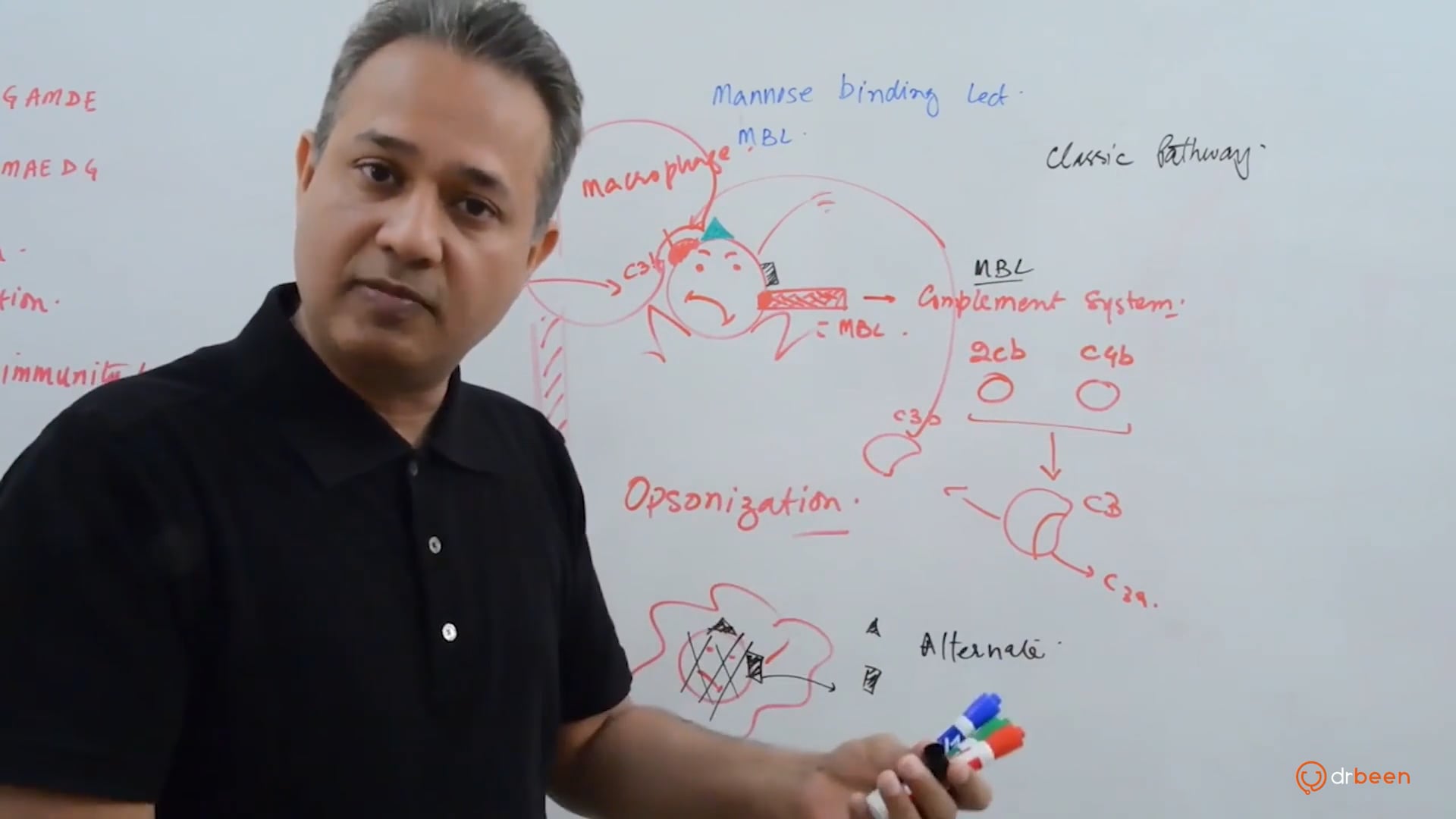
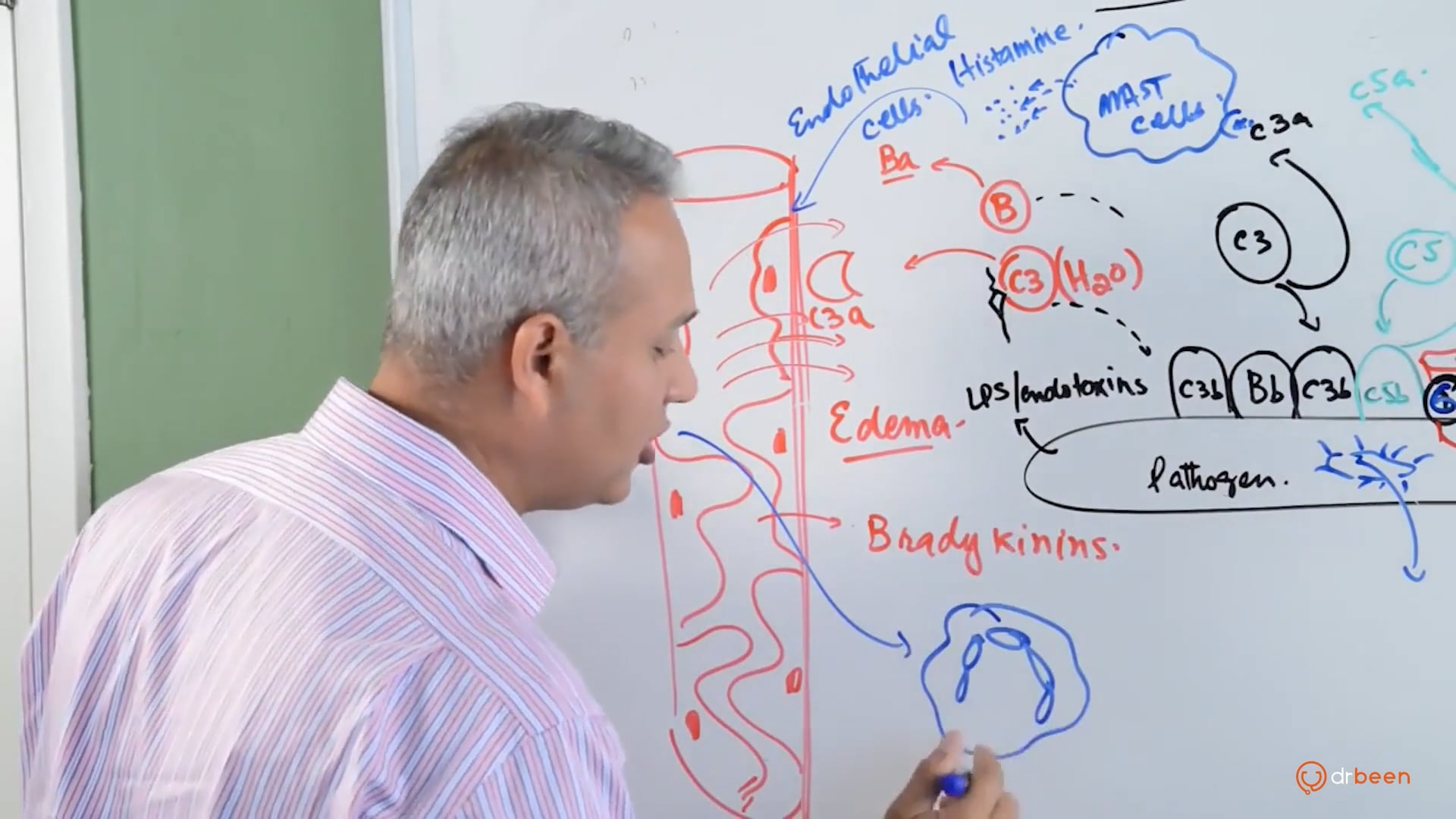
Natural killer (NK) cells are crucial for identifying and destroying infected or abnormal cells. Complement proteins enhance immune responses by aiding in pathogen clearance, while specific proteins like APO BE C3G contribute to antiviral defenses. Lactoferrin and ferritin help control pathogen growth by sequestering iron, and mannose-binding lectins (MBL) assist in pathogen recognition and clearance.
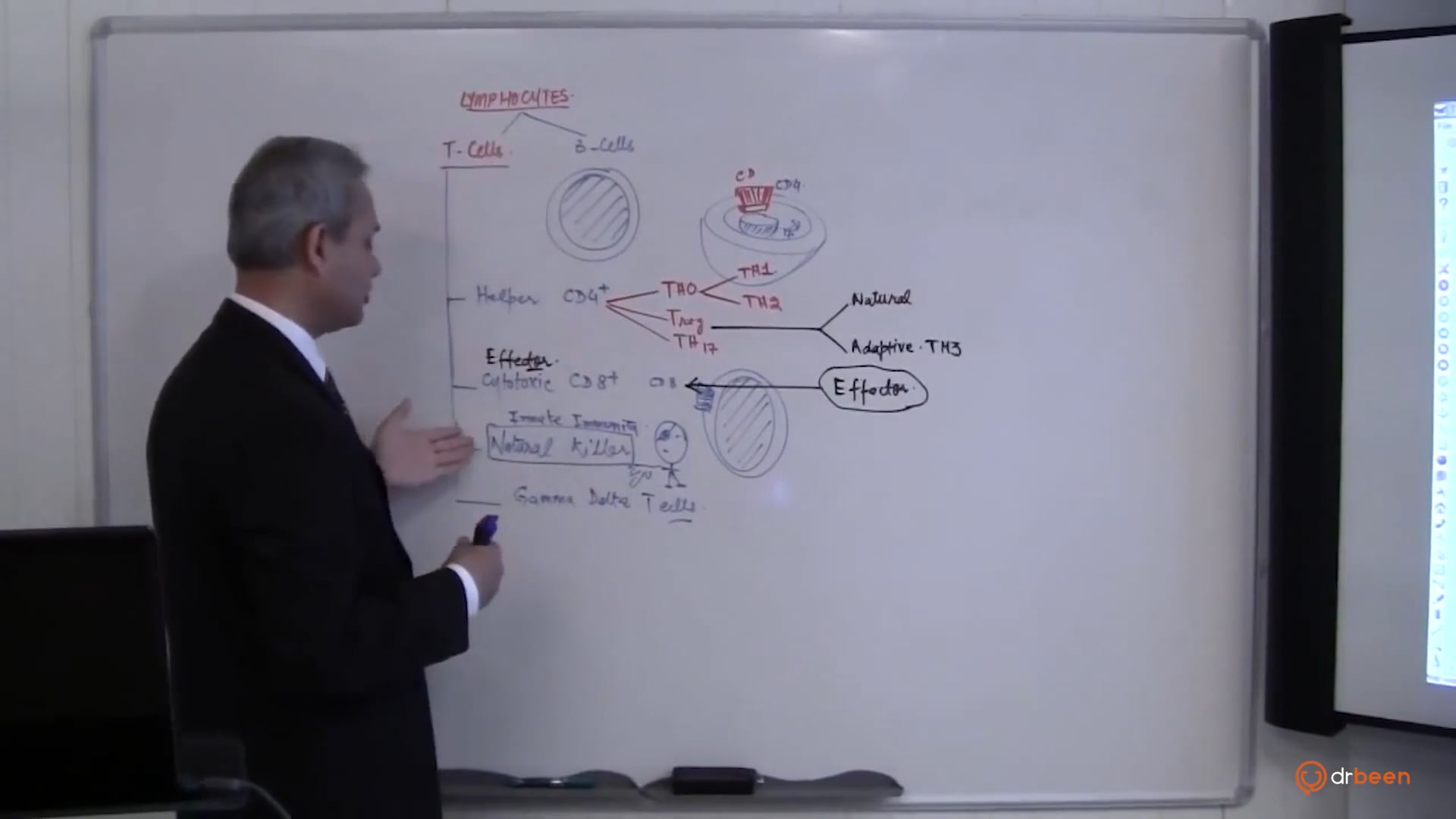
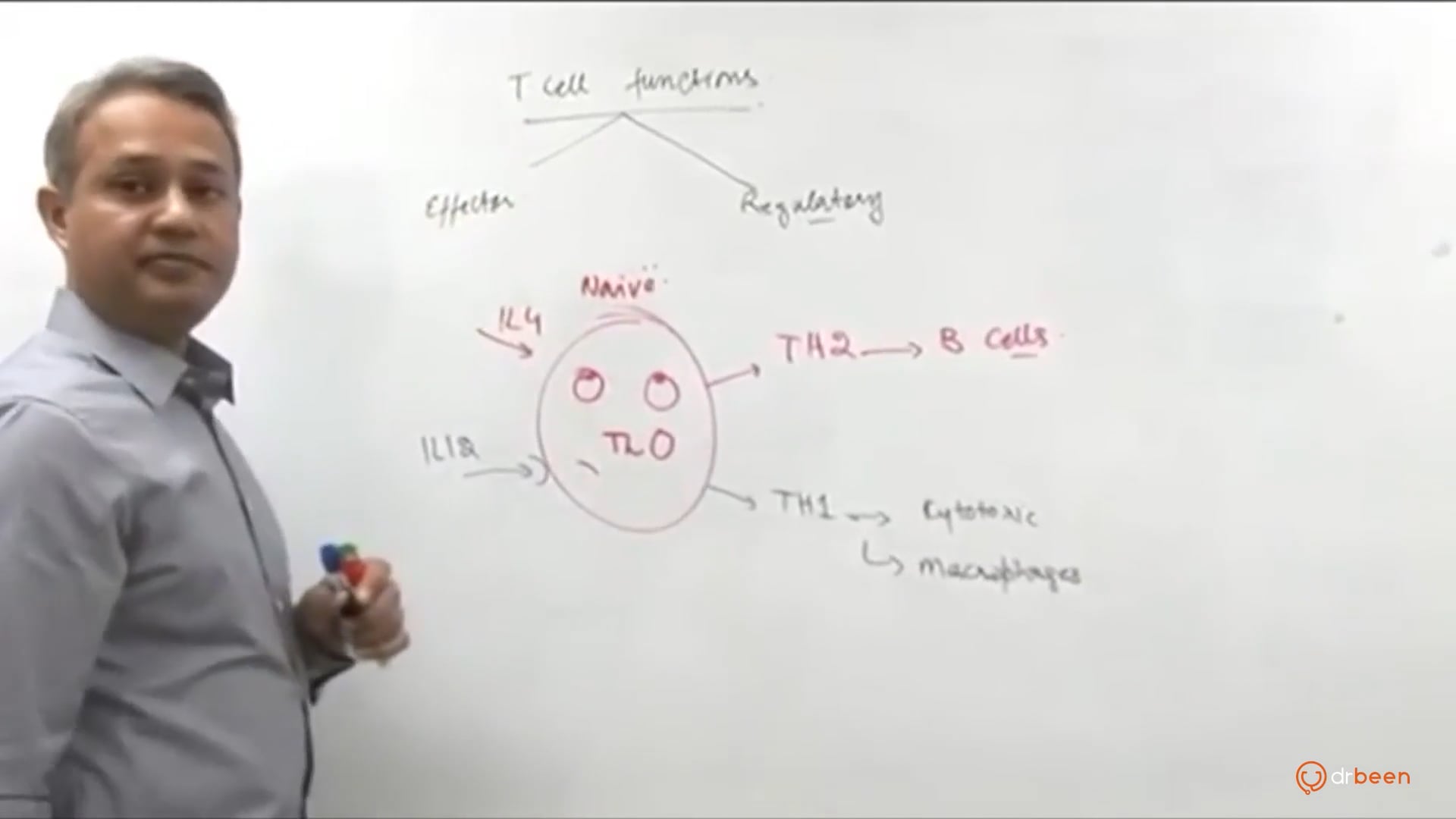
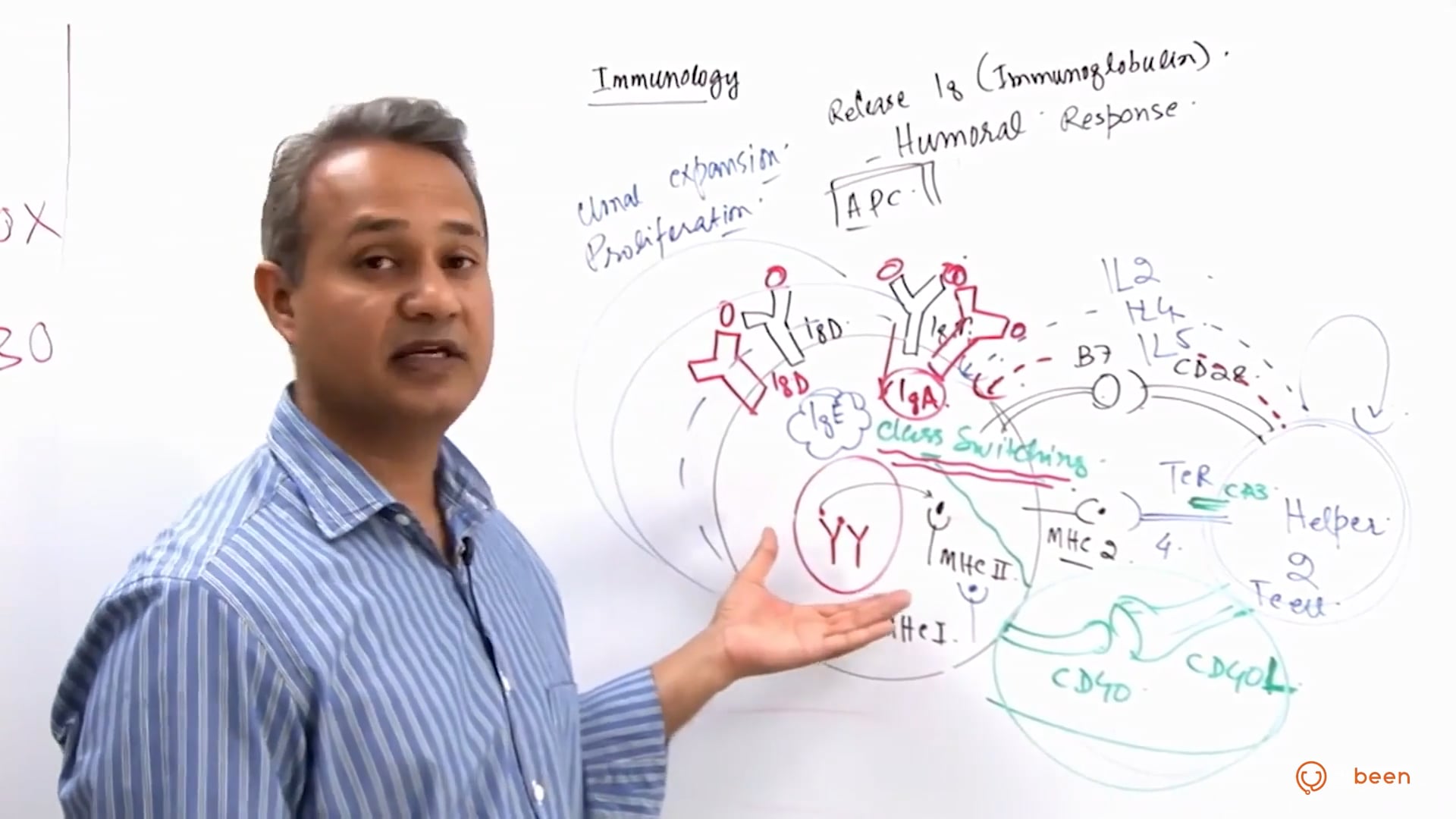
In the acquired immune system, T-cells and B-cells are specialized to recognize and respond to specific antigens. Dendritic cells, along with macrophages and B-cells, are key APCs that initiate adaptive immune responses. Interleukin 12 supports the activation of T-helper cells, which coordinate the overall immune response to ensure effective defense against pathogens.
1. Understanding how our immune system works.
2. Discussing various lines of defense.
3. Types of effector cells
4. Functions of :
- Neutrophils
- B-cells
- Eosinophils
5. Continuation of discussion on effector cells in immune system.
6. Macrophage, as a central player of immune system.
7. Dendretic cells
8. Overviewing functions of natural killer cells.
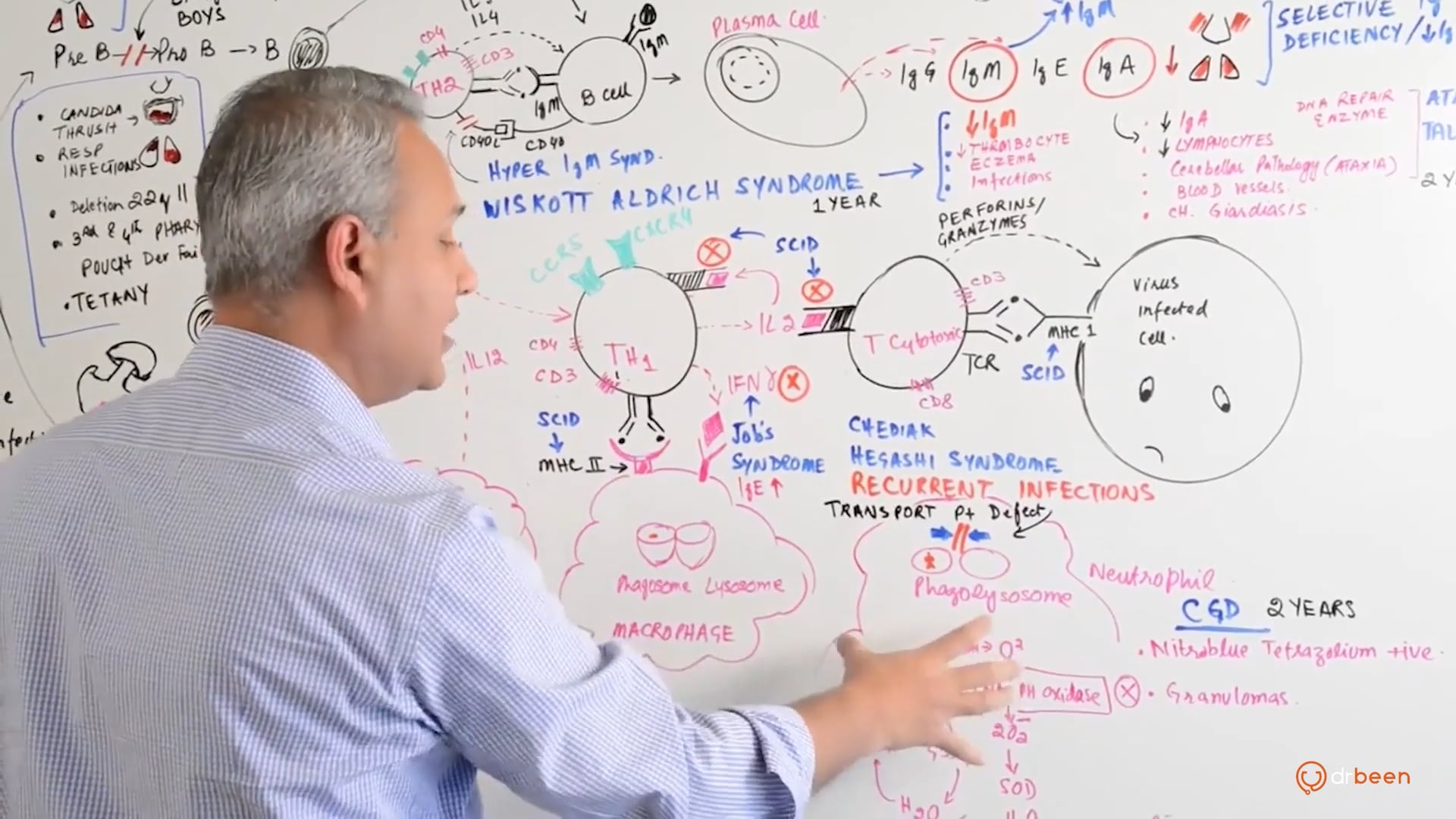
9. Introduction to proteins in compliment system
10. Overviewing role of APO BE C3G protein in innate anti-viral immunity.
11. Role of lactoferin and feratin in nonspecific immune response.
12. Mannose-binding lectins (MBL)
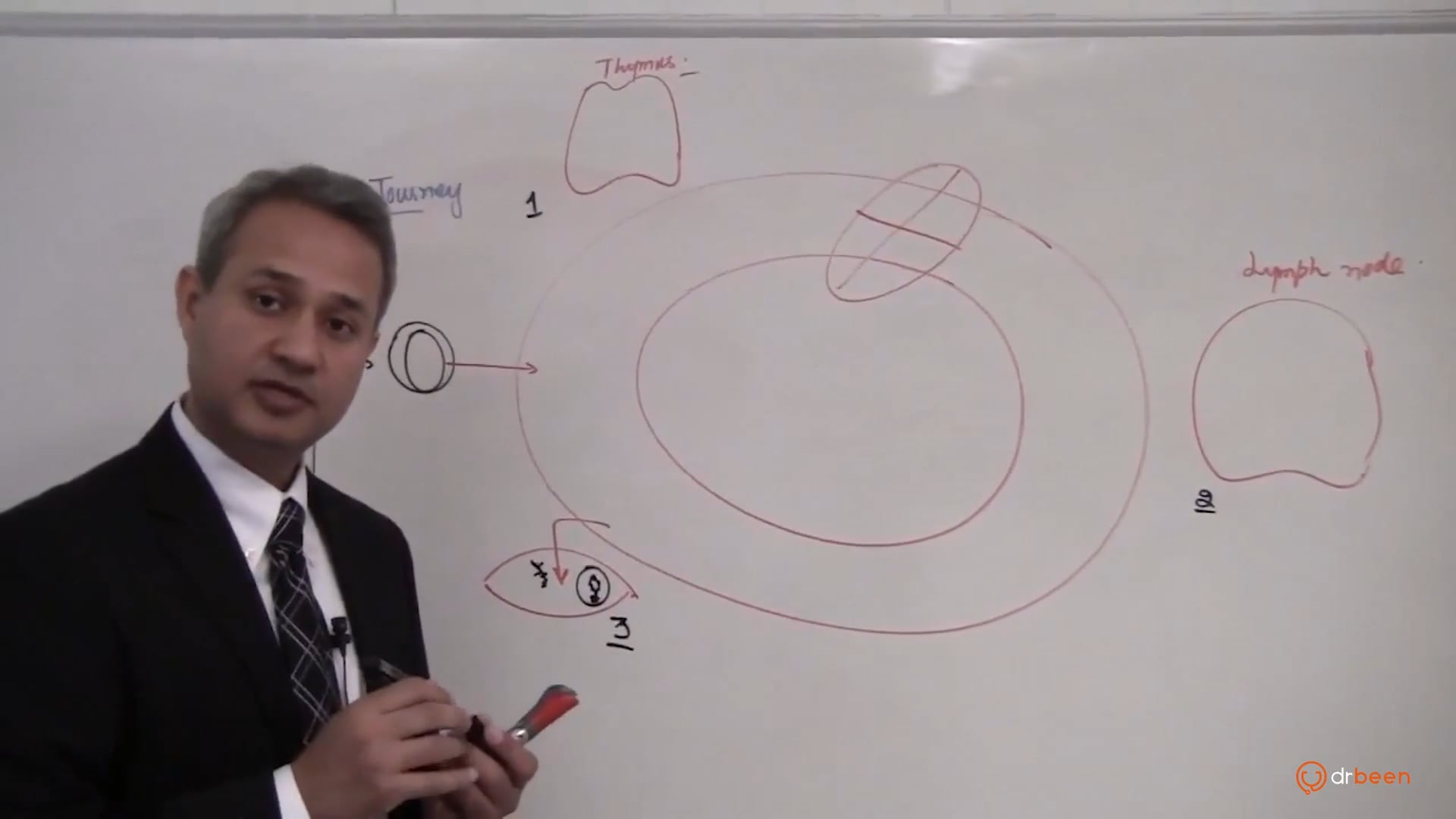
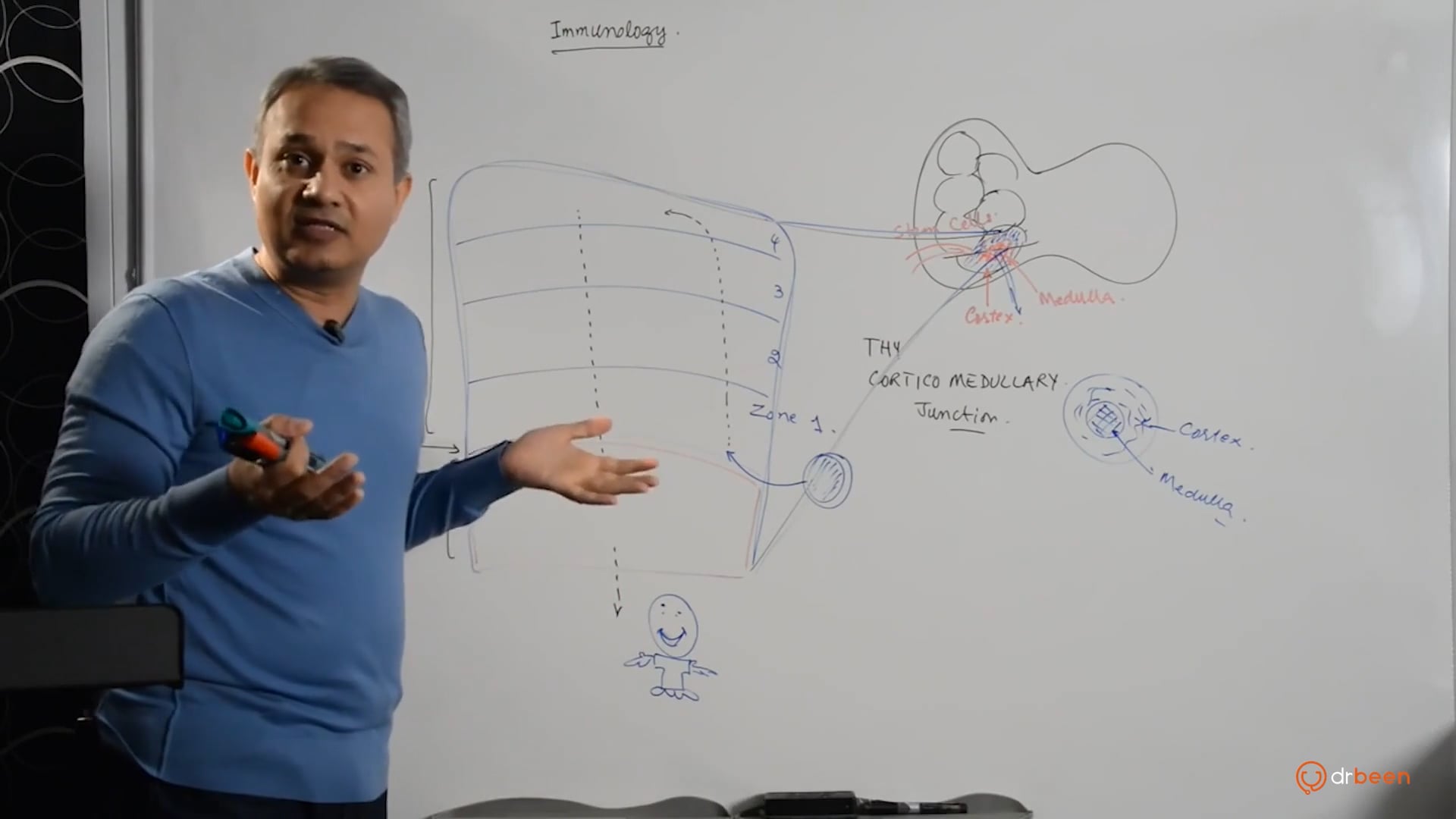
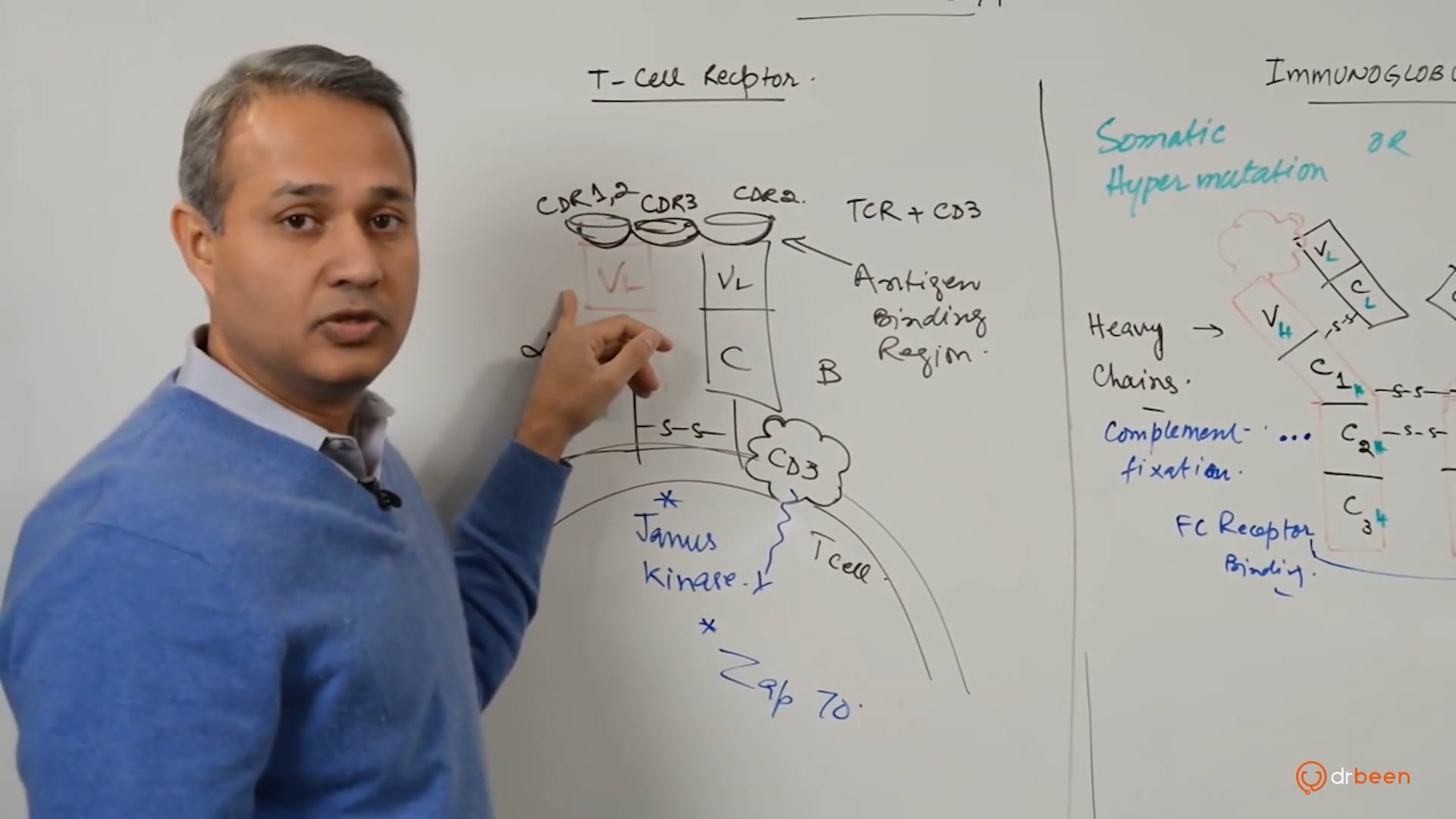
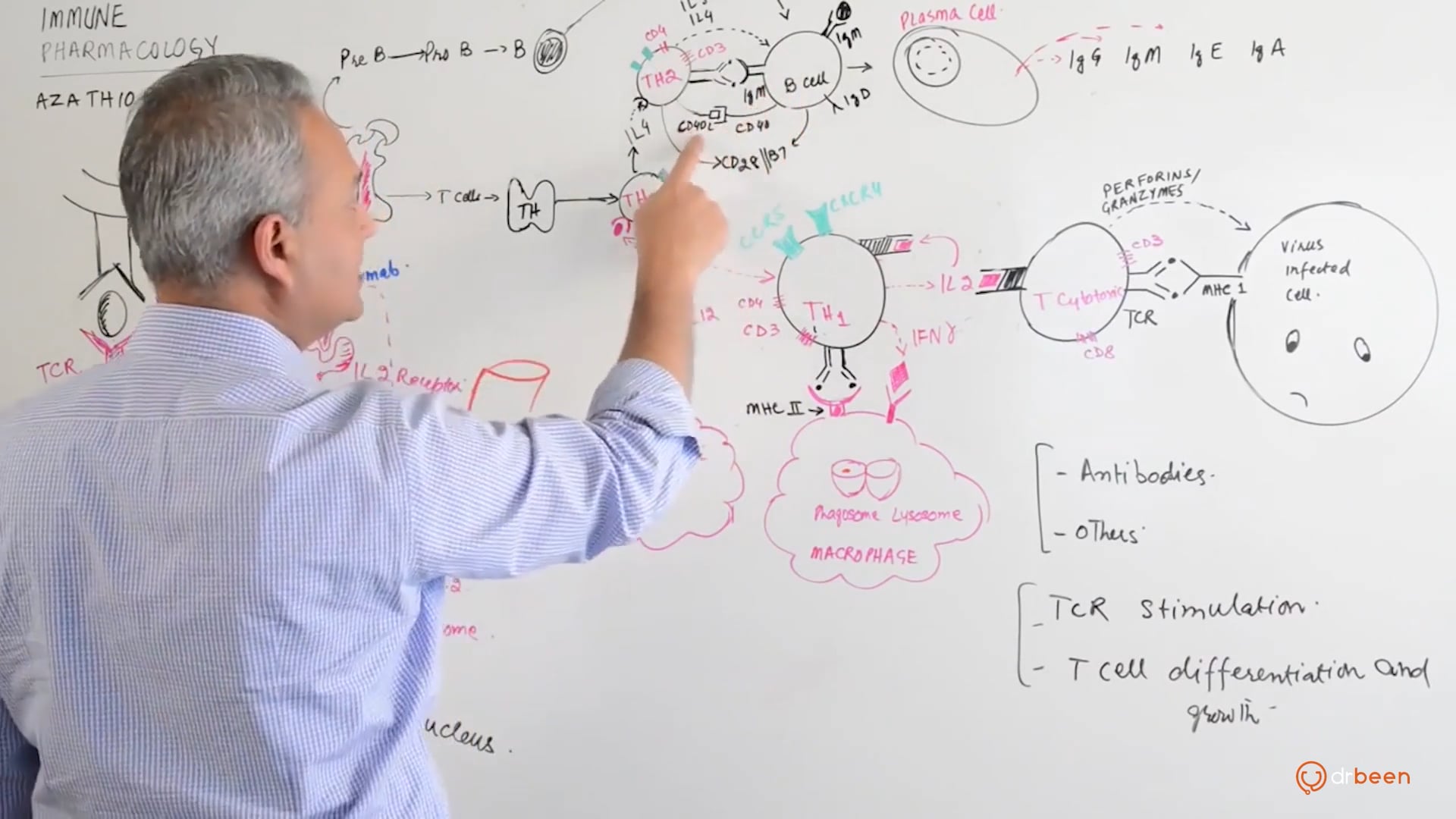
13. Production, maturation and functions of specialized cells in acquired immune system.
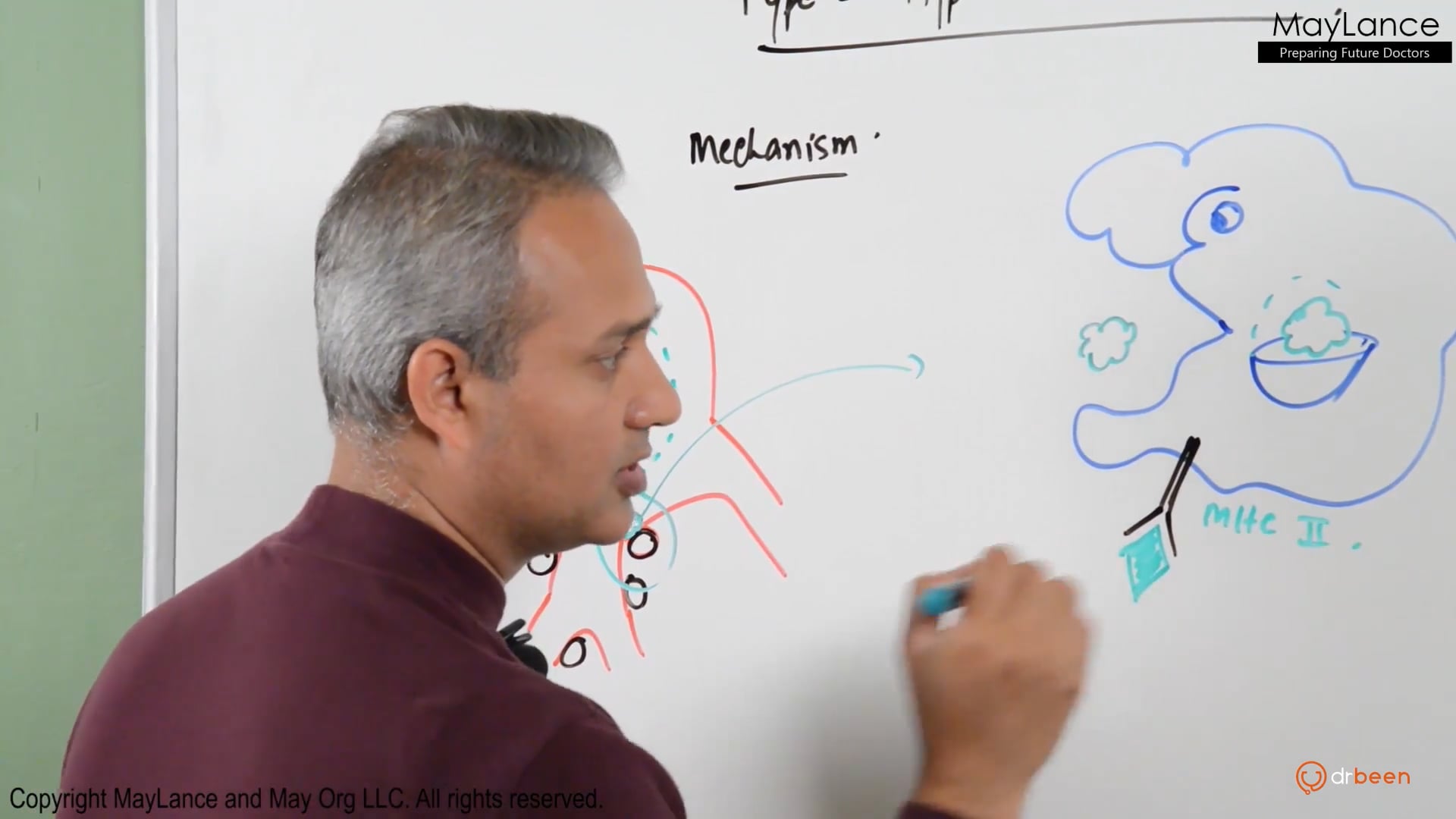
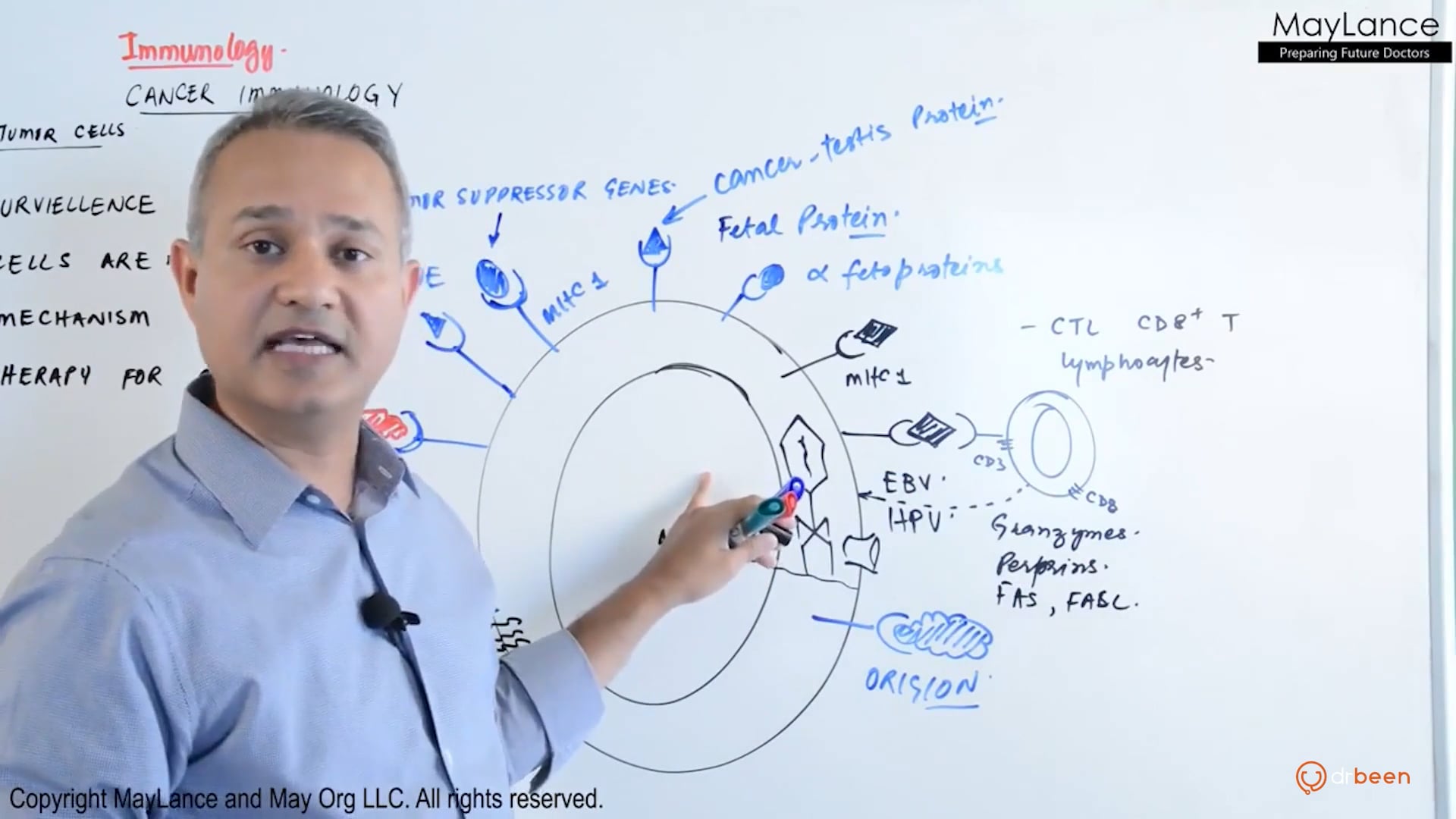
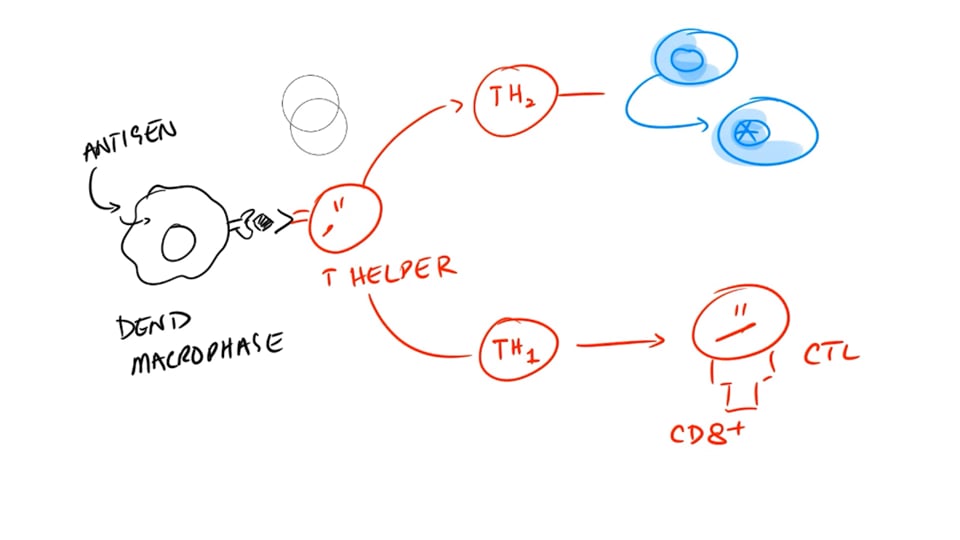
14. Role of the dendritic cell as the antigen-presenting cell (APC).
15. Three professional APCs of the immune system.
16 Function of Interleukin 12 and T- Helper cells


Write A New Comment
0 Comments