
This video is not approved for CME yet. Please check in a few days for the approval result. Thank you for your patience.
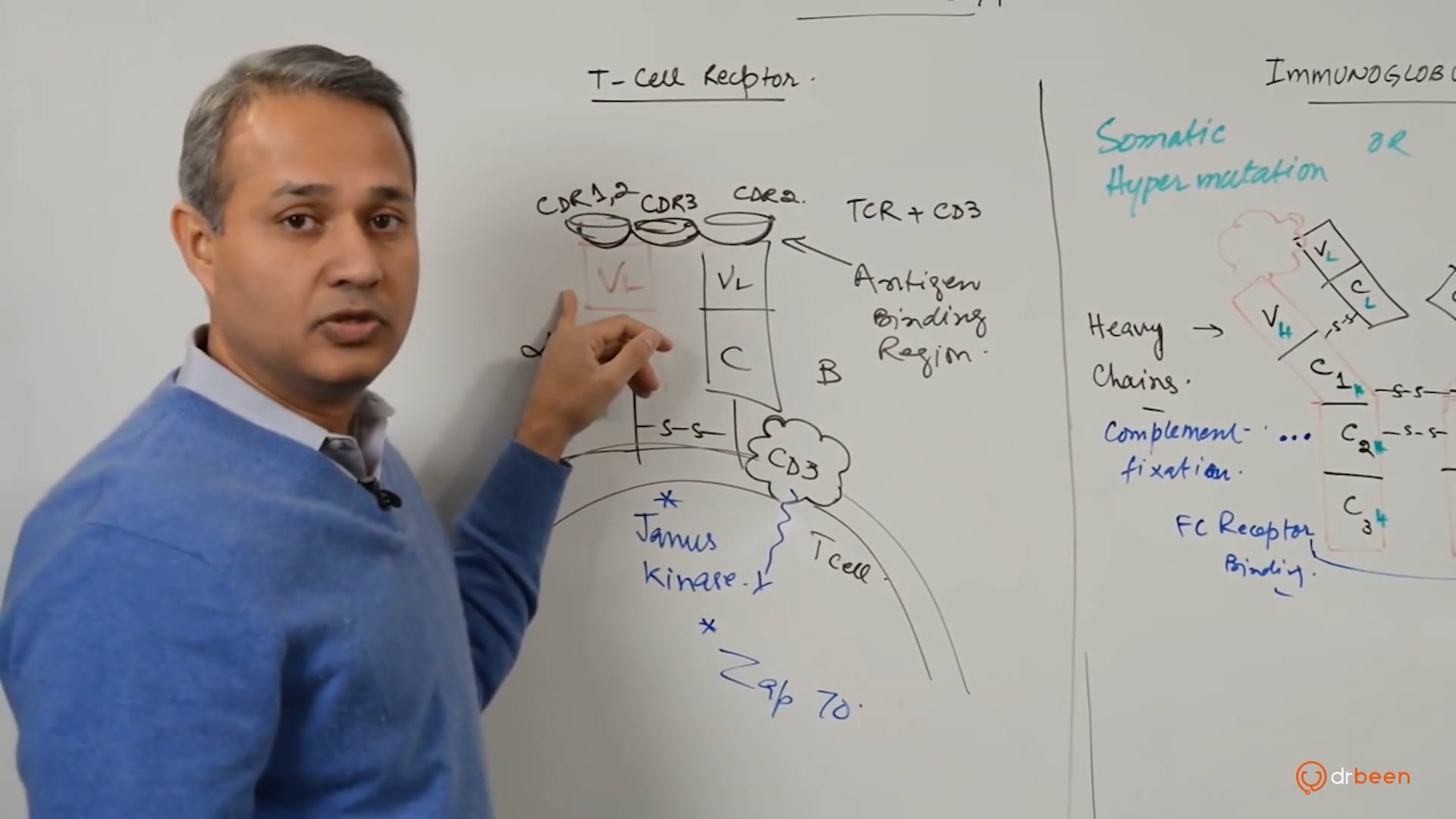
Immunoglobulins, commonly known as antibodies, feature a Y-shaped structure consisting of two heavy chains and two light chains. Each antibody's variable regions at the Y's tips are designed to bind specifically to a particular antigen, while the constant region determines the antibody’s class and how it interacts with other components of the immune system. This structure allows antibodies to recognize and attach to a wide variety of antigens, providing a tailored immune response.
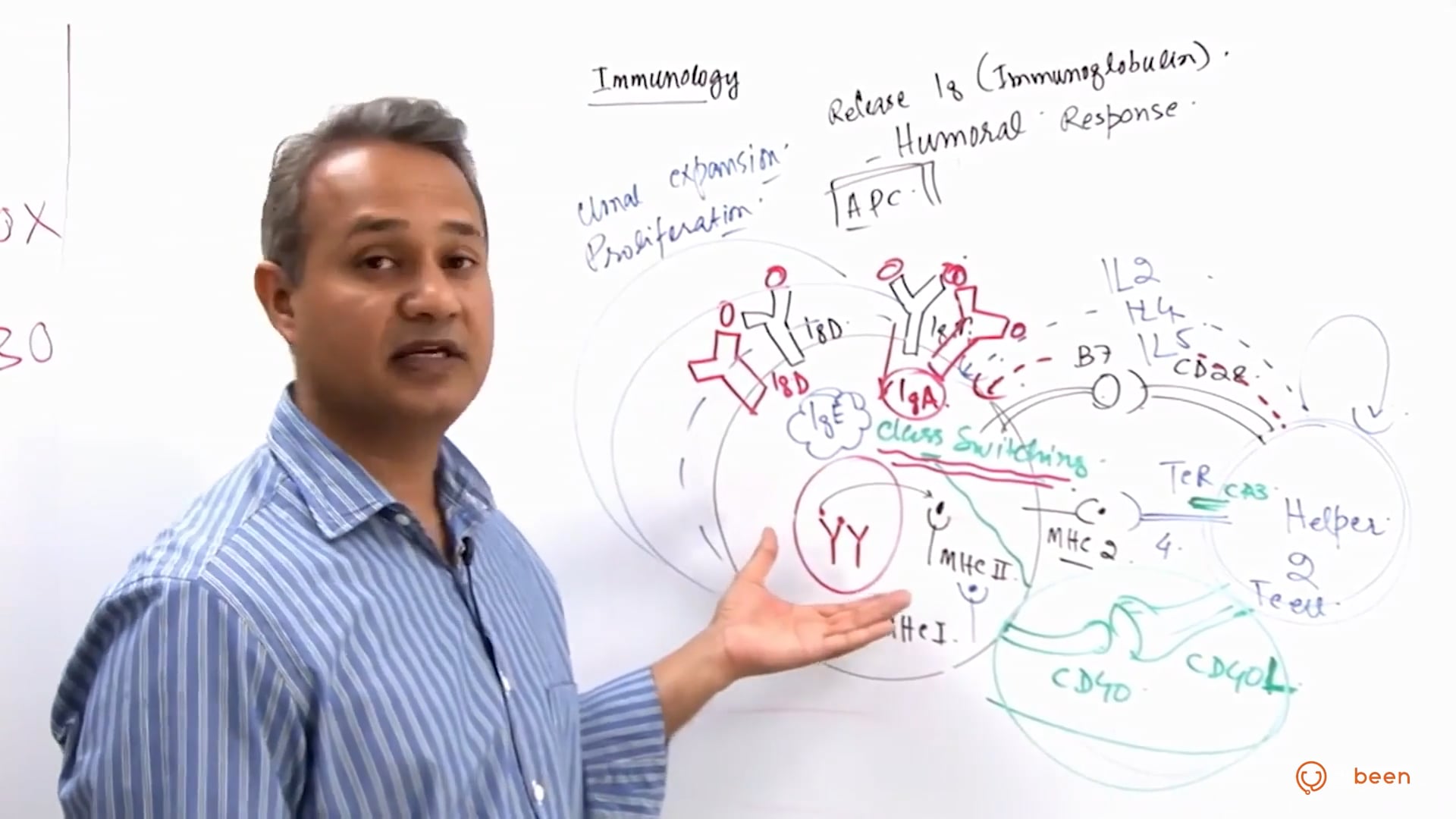
Different classes of immunoglobulins have unique roles in immune defense. IgM is produced first during an immune response and is highly effective at forming large antigen-antibody complexes, which enhance pathogen elimination. IgE plays a key role in allergic reactions and defending against parasitic infections by triggering histamine release from mast cells and basophils. Other immunoglobulins like IgG contribute to long-term immunity by remaining in the body for extended periods and can cross the placenta to provide passive immunity to the fetus, while IgA is primarily found in mucosal areas, protecting against pathogens entering through these surfaces.
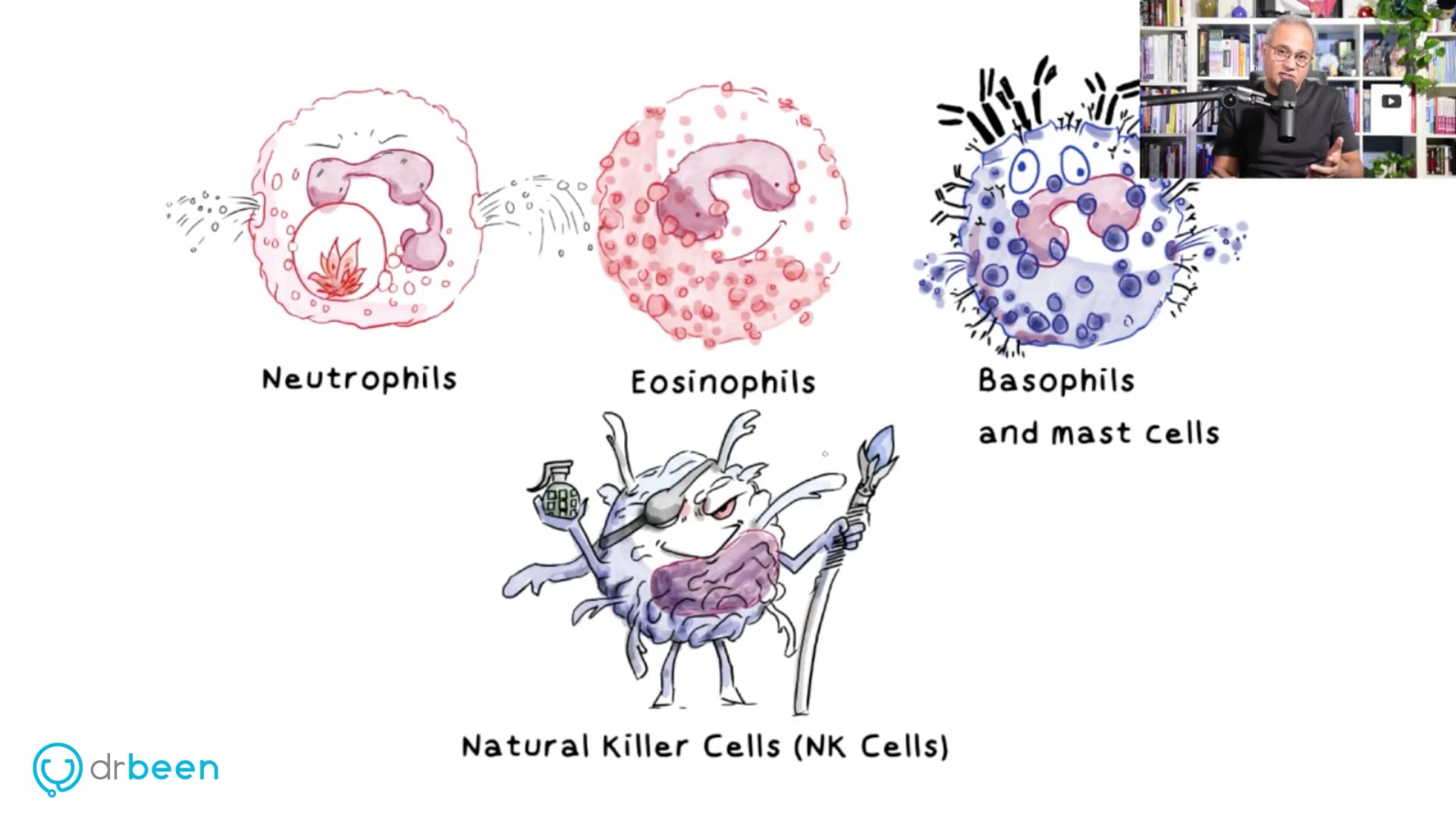
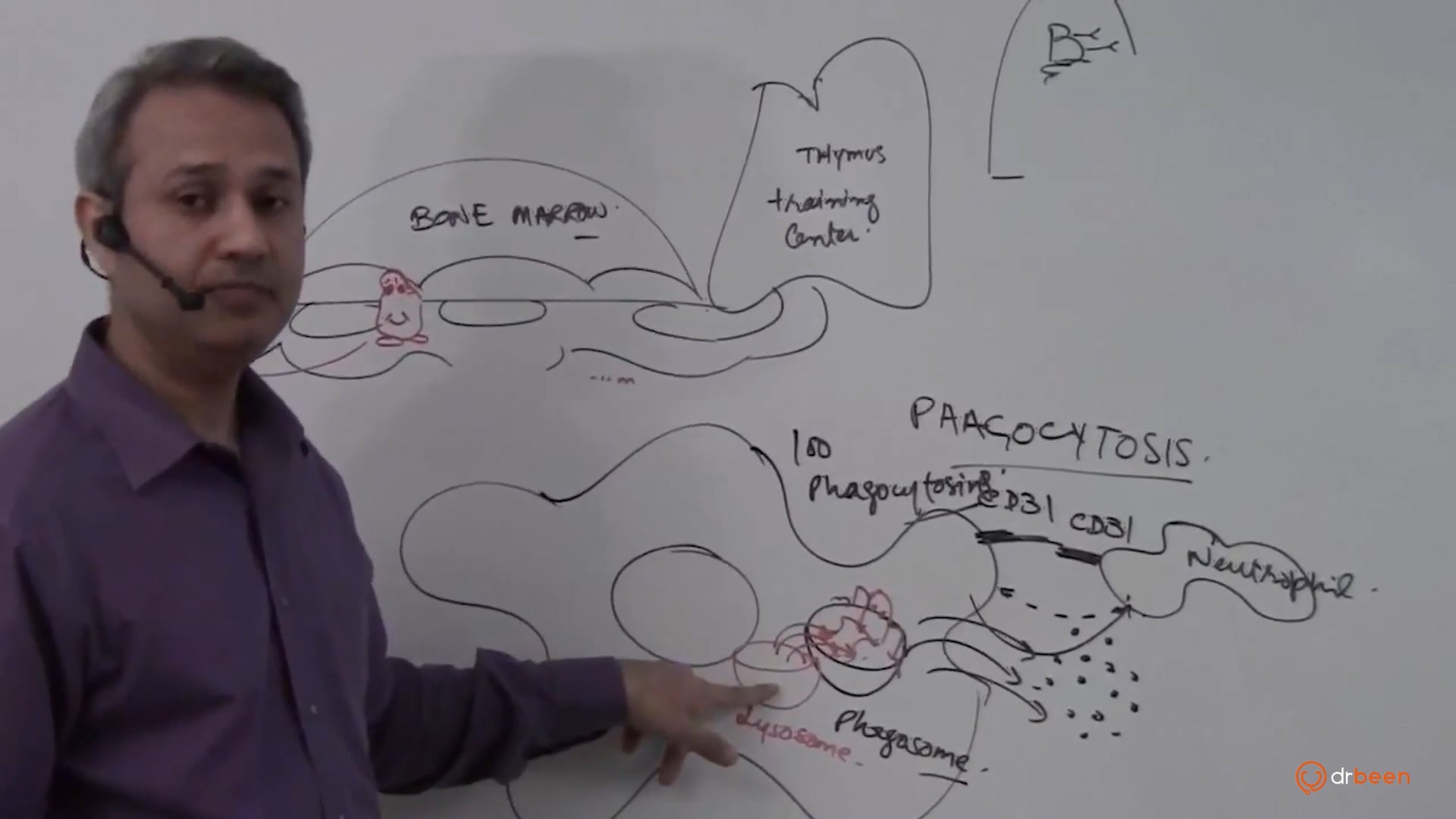
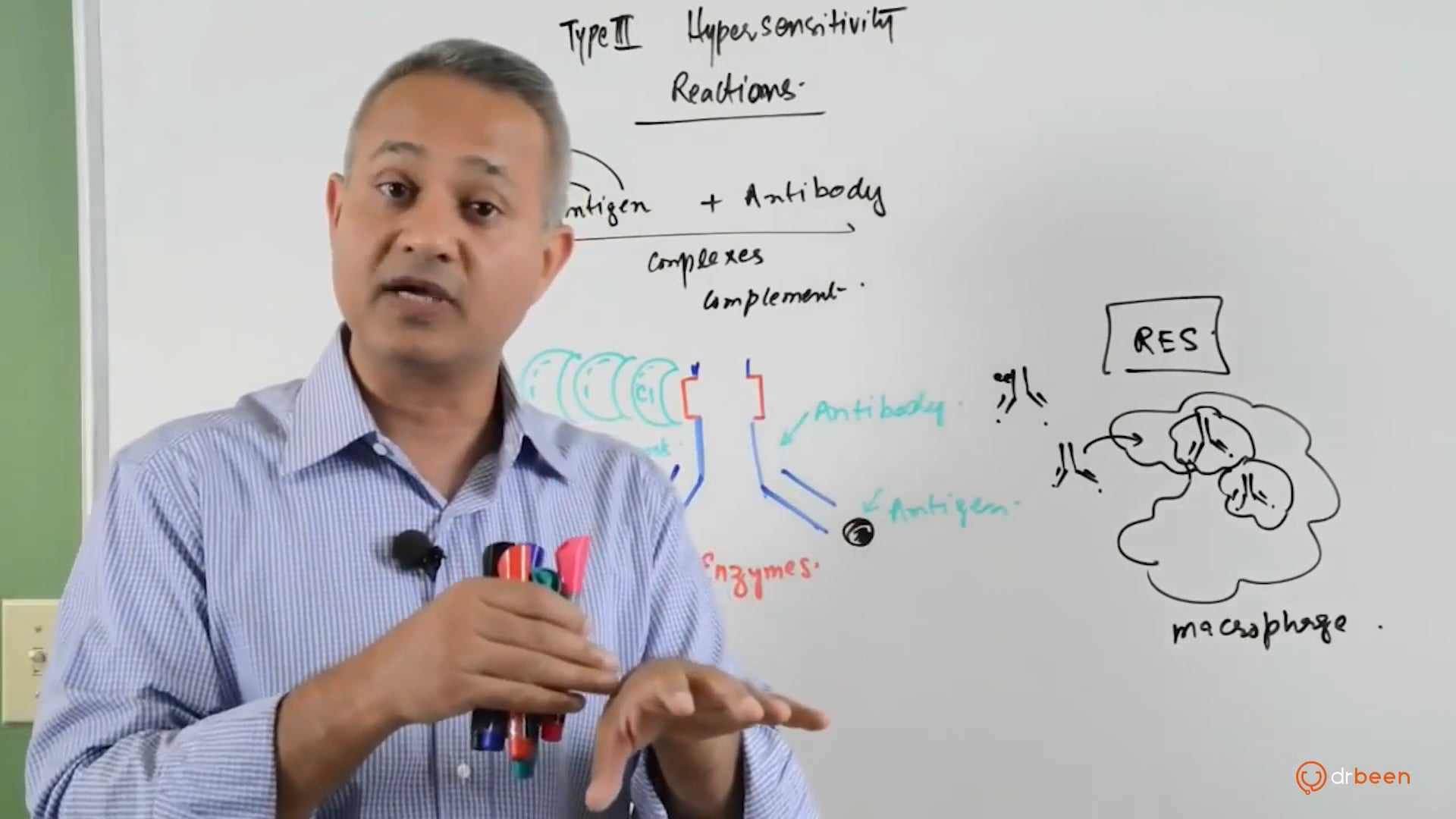
The Fc region of an antibody, known as the fragment crystallizable region, binds to specific Fc receptors on various immune cells such as macrophages, neutrophils, and natural killer cells. This interaction facilitates immune responses like phagocytosis, where immune cells engulf and destroy pathogens, and helps in clearing immune complexes from the bloodstream.
Antibodies neutralize pathogens by binding to their surface antigens, preventing the pathogens from attaching to and entering host cells. This neutralization process blocks the pathogen’s ability to cause disease and marks it for destruction by other components of the immune system.
1. The structure of an Immunoglobulin.
2. The difference between IgM, IgE and other immunoglobulins.
3. The function of fragments crystallizing region Fc.
4. Neutralizing function of antibodies.



Write A New Comment
0 Comments