
This video is not approved for CME yet. Please check in a few days for the approval result. Thank you for your patience.
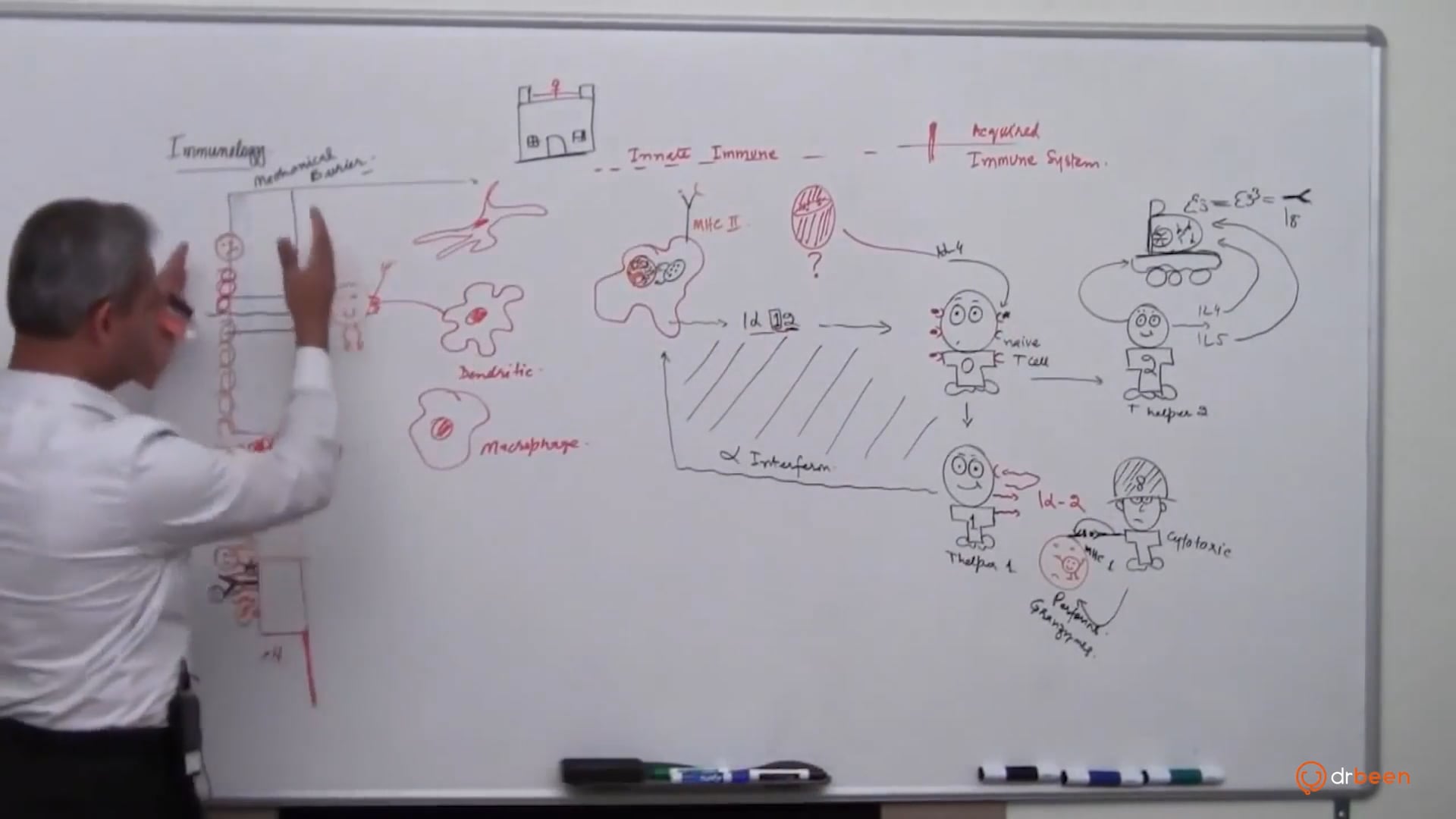
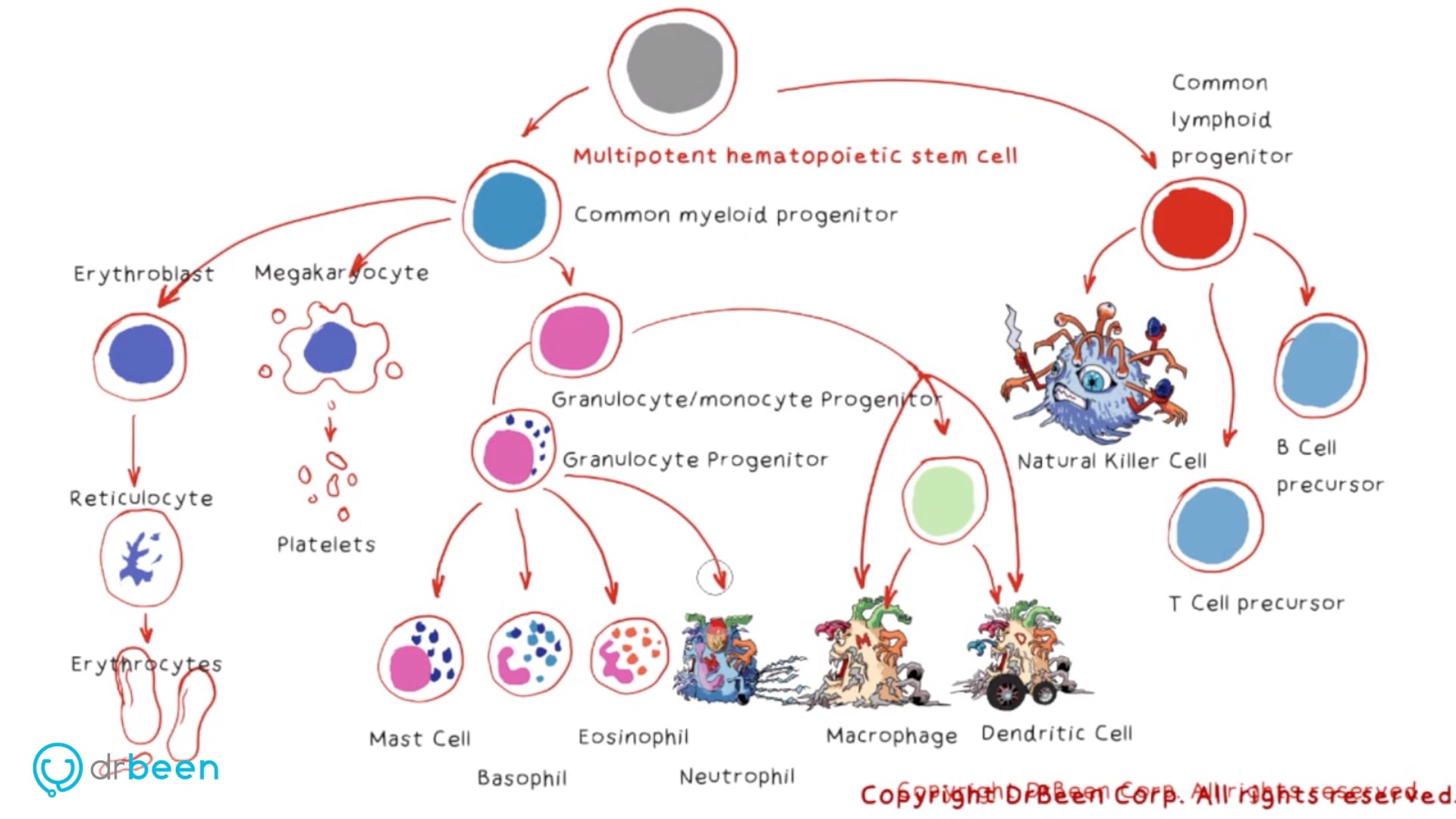
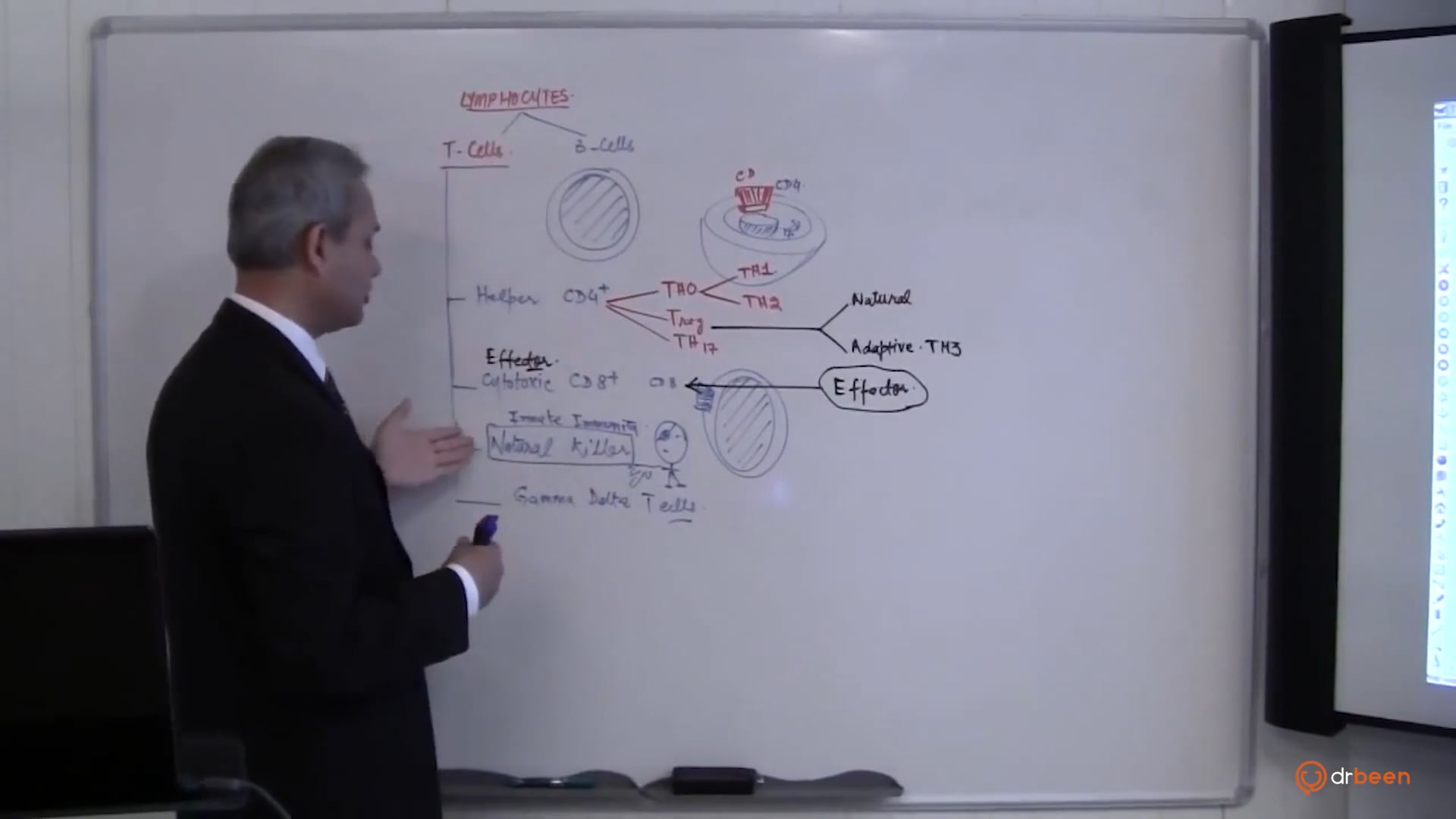
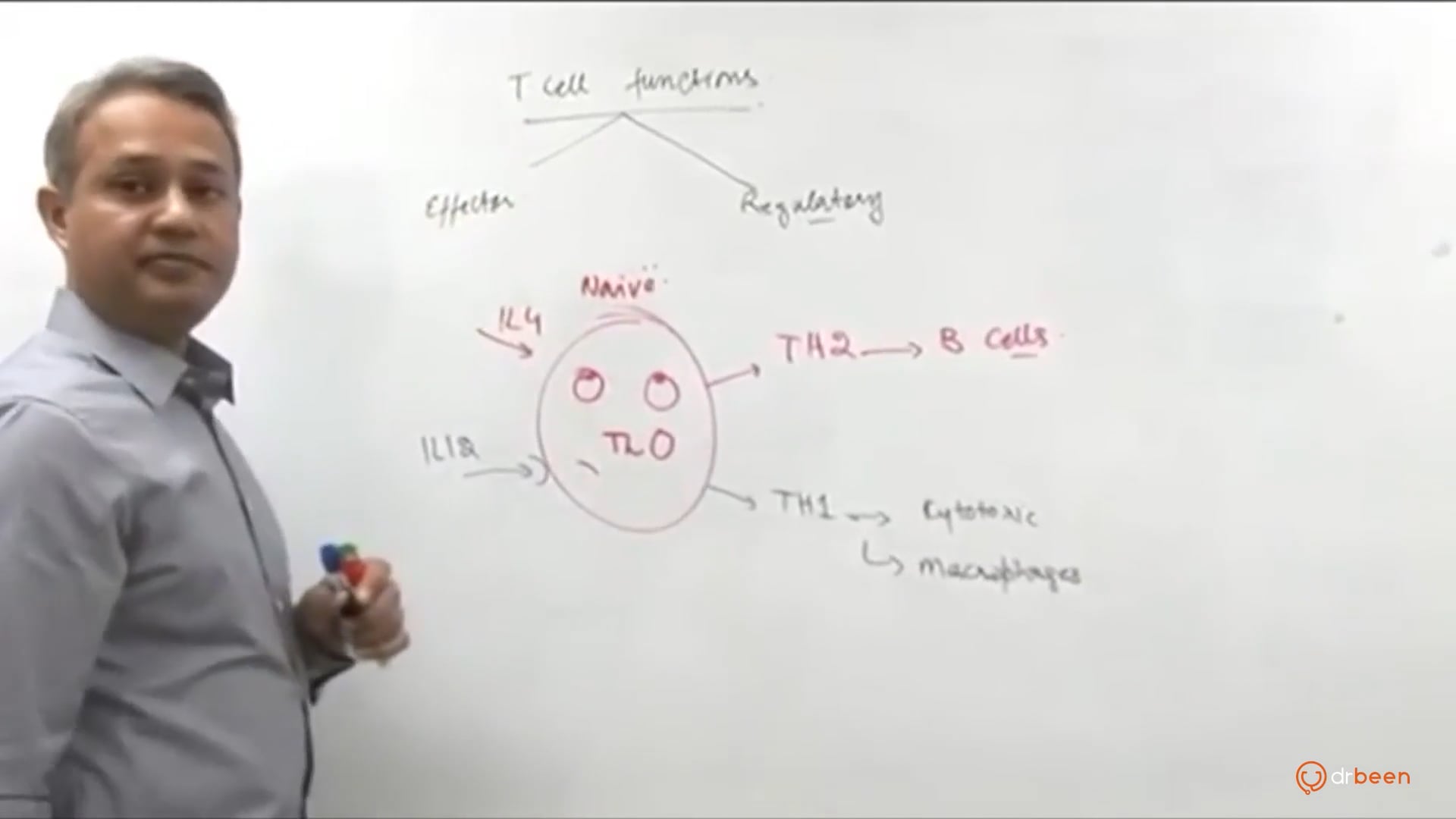
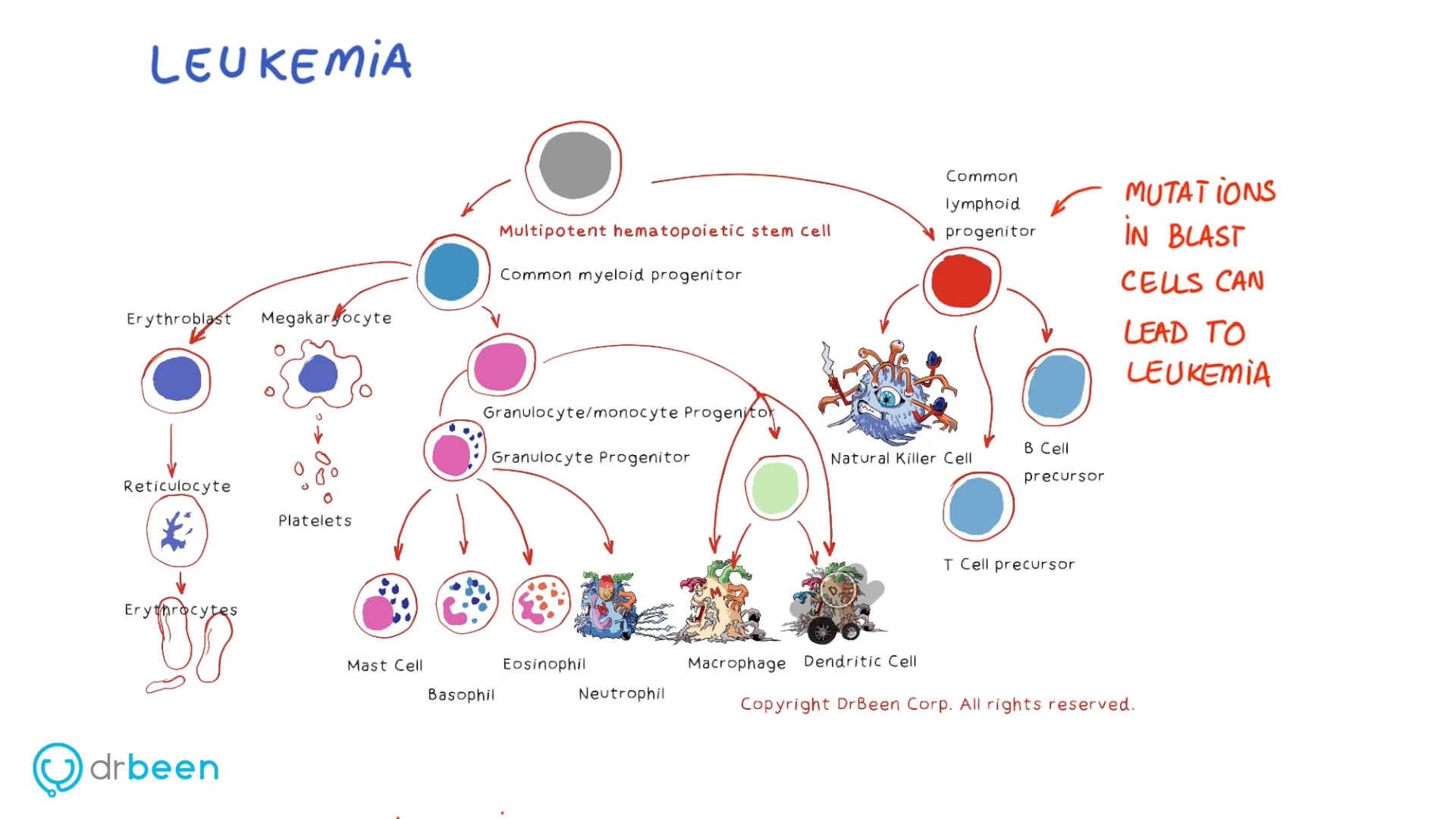
The flow of immune function begins in the bone marrow, where hematopoietic stem cells give rise to various immune cells, including lymphocytes, monocytes, and granulocytes. This process, known as hematopoiesis, is tightly regulated and crucial for maintaining a balanced immune system. Once matured, these cells migrate to peripheral lymphoid organs, such as the spleen and lymph nodes, where they encounter antigens and initiate adaptive immune responses. This migration and activation process is essential for the proper functioning of the immune system in recognizing and responding to pathogens.
Various immune modulation drugs are utilized to alter immune responses for therapeutic purposes. Corticosteroids are commonly used to reduce inflammation and suppress immune activity, while monoclonal antibodies can target specific pathways or receptors in immune cells to achieve a desired effect. Calcineurin inhibitors, such as cyclosporin and tacrolimus, are important in preventing transplant rejection by suppressing T cell activation.
Receptor-blocking drugs play a significant role in modulating immune responses by inhibiting specific receptors involved in signaling pathways. These drugs can reduce inflammation and prevent autoimmunity by blocking the interactions between immune cells and their respective ligands. This targeted approach allows for more precise modulation of the immune system, potentially reducing side effects associated with broader immunosuppressive therapies.
Muromonab is a monoclonal antibody that targets the CD3 receptor on T cells. By binding to CD3, muromonab prevents T cell activation and promotes their depletion, making it useful in managing acute transplant rejection and severe autoimmune conditions. The effectiveness of this drug illustrates the potential of receptor-blocking therapies in modulating immune responses.
Cyclosporin acts by inhibiting calcineurin, a phosphatase crucial for T cell activation. This inhibition prevents the transcription of interleukin-2 (IL-2) and other cytokines necessary for T cell proliferation and activation, leading to reduced immune responses. Cyclosporin's impact on signal transduction pathways is pivotal in its use as an immunosuppressant, especially in transplant medicine.
Tacrolimus, like cyclosporin, is a calcineurin inhibitor but is often considered more potent. It binds to FK506-binding protein, which then inhibits calcineurin, leading to similar effects on T cell activation. Docetaxel is another immunomodulatory drug that can impact immune responses through different mechanisms, often used in cancer therapy to enhance anti-tumor immunity. Azathioprine is an antimetabolite that interferes with DNA synthesis, leading to the suppression of rapidly dividing immune cells, making it valuable in managing autoimmune diseases and preventing transplant rejection.
Overall, understanding the flow of immune function from the bone marrow to the immune response, along with the mechanisms of various immune modulation drugs, provides critical insights into therapeutic strategies for managing immune-related conditions.
4o mini
1. The flow of immune function and information from bone Marrone to immune response.
2. Different types of immune modulation drugs.
3. A discussion about Receptor blocking drugs.
4. The mechanism and point of action of Muromonab.
5. The mechanism of action of Cyclosporin in signal transduction blockade.
6. A discussion about action of Tacrolimus, doclizumab and azathioprine.



















Write A New Comment
0 Comments