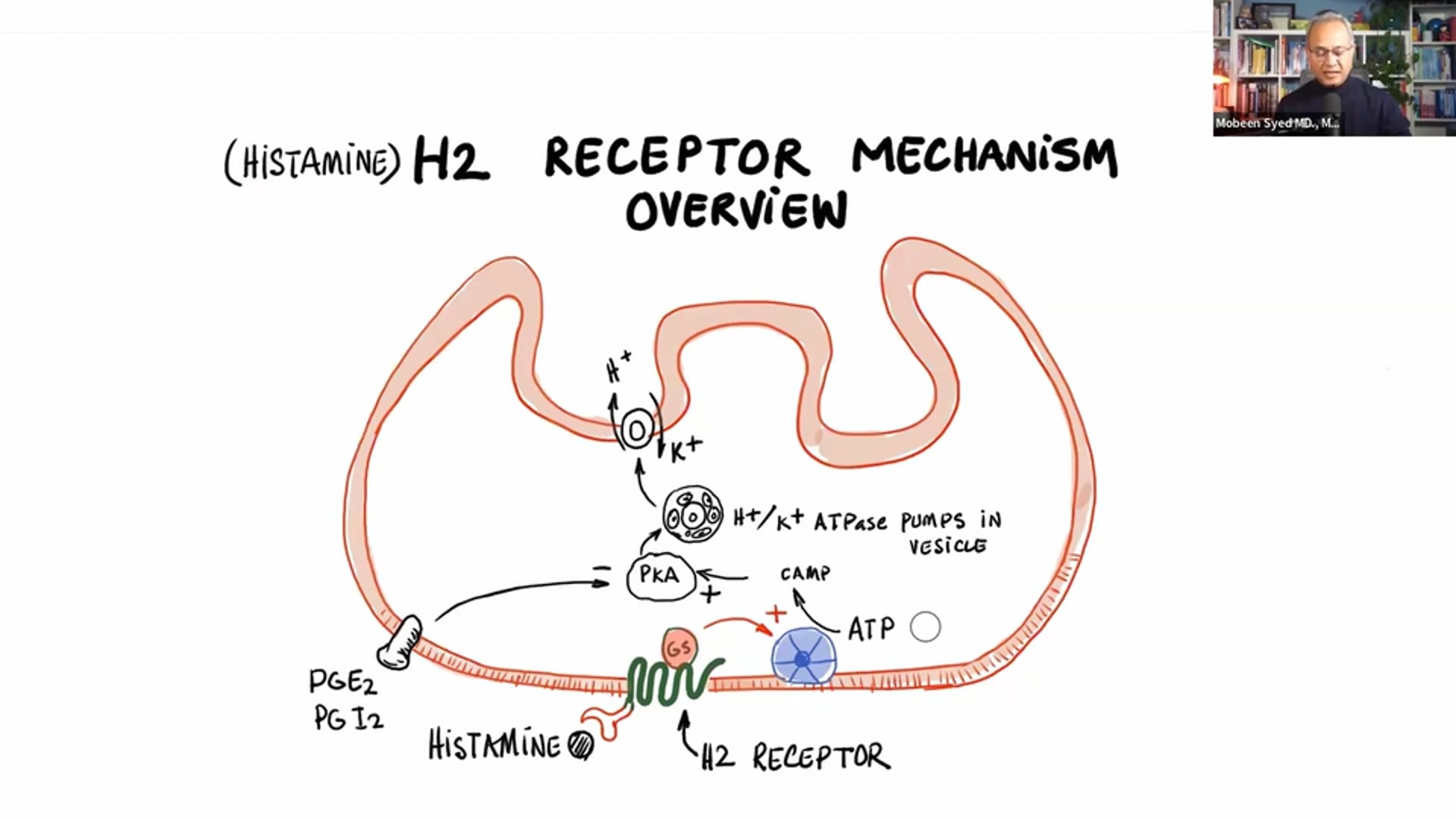
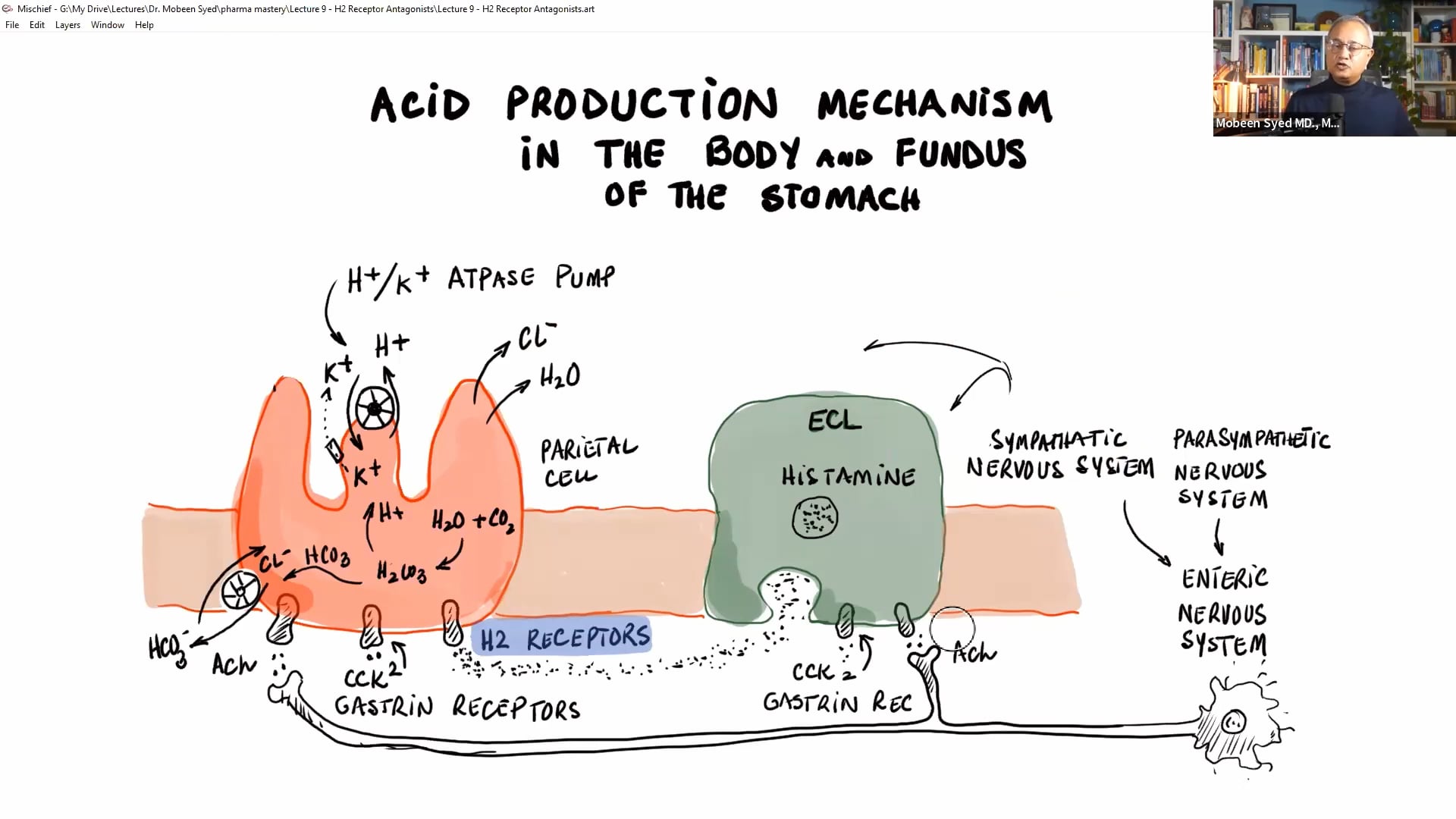
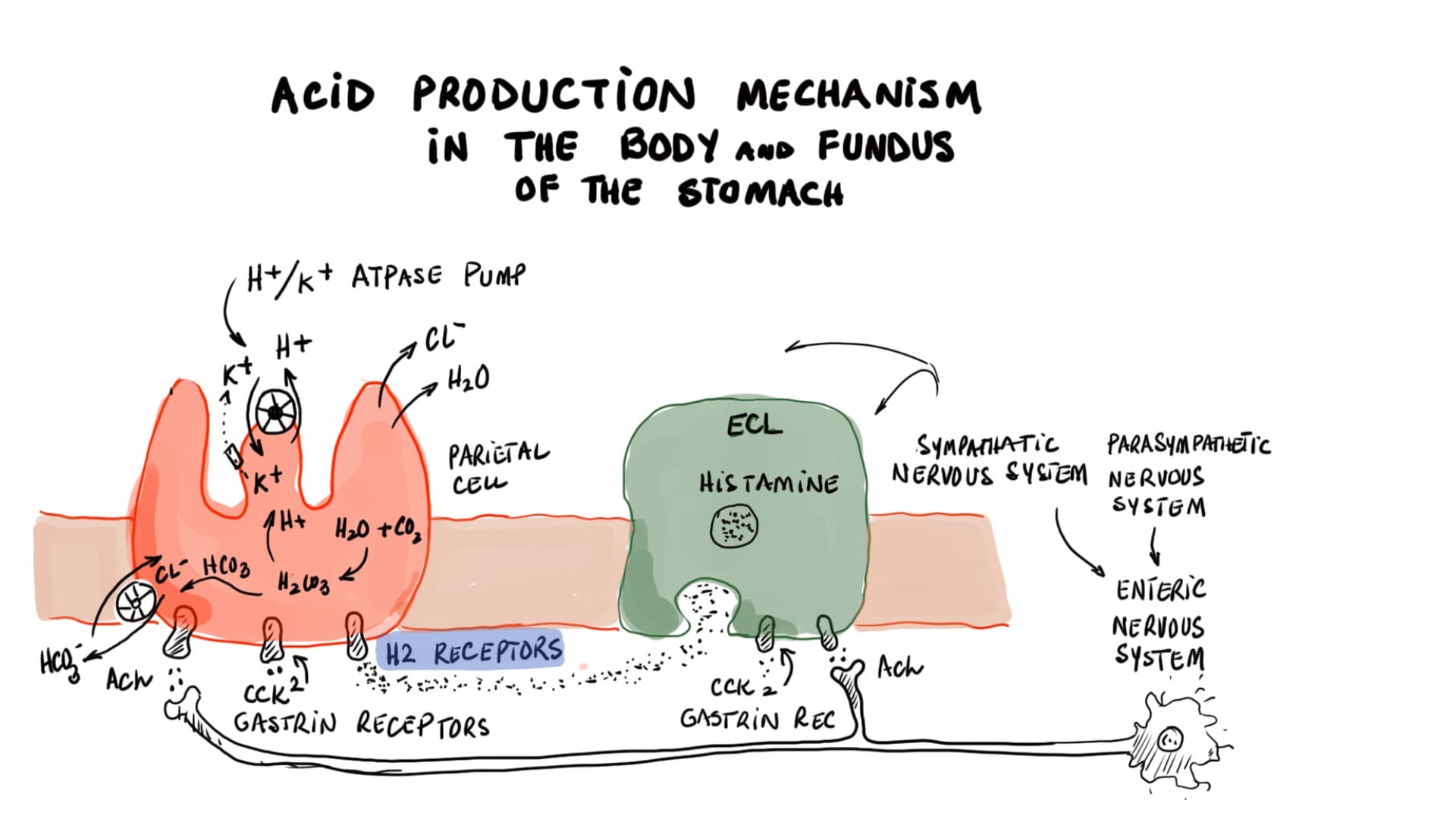
H2 receptor antagonists (H2RAs) function by competitively inhibiting histamine binding at H2 receptors on gastric parietal cells, thereby reducing gastric acid secretion. This pharmacological class includes famotidine, nizatidine, cimetidine, and ranitidine (though ranitidine was withdrawn from the US market in 2020 due to NDMA contamination concerns).
H2RAs are indicated for various acid-related disorders including gastroesophageal reflux disease (GERD), peptic ulcer disease (both gastric and duodenal), prevention of NSAID-induced gastropathy, stress ulcer prophylaxis in critically ill patients, and management of hypersecretory conditions such as Zollinger-Ellison syndrome. They also provide symptomatic relief for non-ulcer dyspepsia and can be used perioperatively to reduce aspiration risk.
While generally well-tolerated, H2RAs may cause adverse effects including headache, dizziness, fatigue, constipation, and diarrhea. Cimetidine notably inhibits cytochrome P450 enzymes, resulting in significant drug interactions. Rare but serious adverse effects include altered mental status in elderly patients, thrombocytopenia, and hepatotoxicity.
Lecture Objectives:
List the primary clinical applications of H2 blockers.
Identify the common and less common side effects associated with H2 receptor antagonist use.
- List the primary clinical applications of H2 blockers.
- Identify the common and less common side effects associated with H2 receptor antagonist use.













Write A New Comment
1 Comments
deborahdenisesharp@*.com
Mar 28 2025, 11:17 am
Hi - The video says it cannot be viewed "because of privacy settings". (?)