
Diabetes mellitus is the leading cause of chronic kidney disease, yet one class of medications—ACE inhibitors—has consistently demonstrated powerful renoprotective, antifibrotic, and microvascular-stabilizing effects. In this lecture, Dr. Mobeen will explain why ACE inhibitors uniquely protect the kidney in diabetic nephropathy, how they alter glomerular hemodynamics, and why their benefits extend far beyond blood pressure reduction.
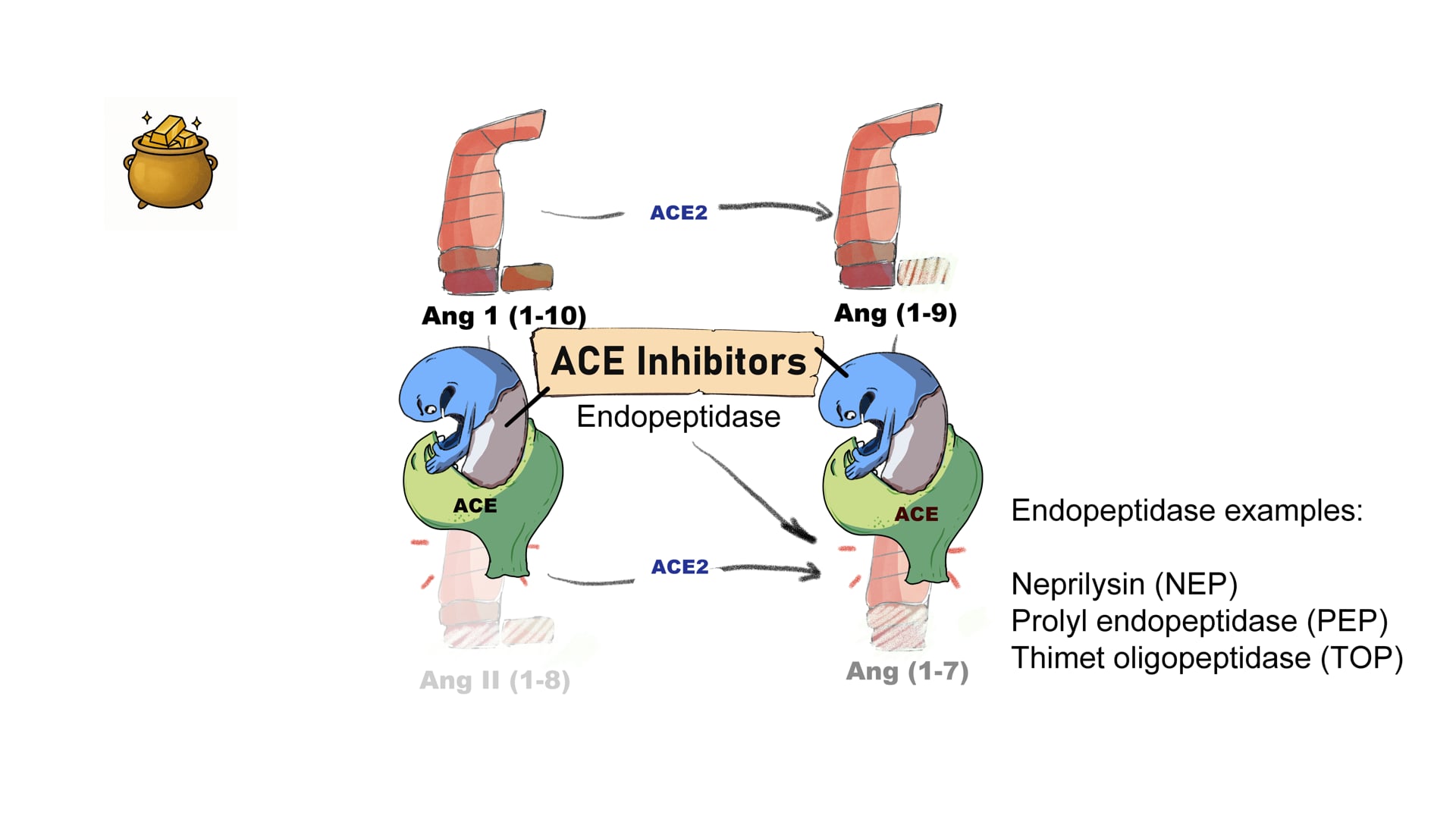
We will explore landmark mechanisms from Goodman & Gilman, including modulation of intraglomerular pressure, efferent arteriolar dilation, restoration of podocyte function, reduced mesangial expansion, and the beneficial rise in Ang(1–7). The session will also touch upon the role of ACE inhibitors in nondiabetic nephropathies and their dramatic life-saving impact in scleroderma renal crisis.
This lecture is designed for healthcare professionals, medical students, and informed patients who want to truly understand why ACE inhibitors remain foundational in renal protection.
🎯 Learning Objectives
Explain how ACE inhibitors provide renoprotection in diabetic nephropathy, including mechanisms independent of blood pressure reduction.
Describe the hemodynamic effects of ACE inhibition, particularly efferent arteriolar dilation and reduction of glomerular capillary pressure.
Discuss cellular and molecular mechanisms, including effects on mesangial expansion, podocyte integrity, and intrarenal Ang II signaling.
Recognize the role of increased Ang(1–7) and MAS receptor activation in mediating antifibrotic and protective renal effects.
Identify additional clinical indications, including benefits in nondiabetic nephropathies and survival improvement in scleroderma renal crisis.
Explain how ACE inhibitors provide renoprotection in diabetic nephropathy, including mechanisms independent of blood pressure reduction.
Describe the hemodynamic effects of ACE inhibition, particularly efferent arteriolar dilation and reduction of glomerular capillary pressure.
Discuss cellular and molecular mechanisms, including effects on mesangial expansion, podocyte integrity, and intrarenal Ang II signaling.
Recognize the role of increased Ang(1–7) and MAS receptor activation in mediating antifibrotic and protective renal effects.
Identify additional clinical indications, including benefits in nondiabetic nephropathies and survival improvement in scleroderma renal crisis.













Write A New Comment
0 Comments